Recently, residential solar energy systems have become a cornerstone of modern electricity infrastructure. Reflecting a broader shift toward decentralized generation and low-carbon energy portfolios, rooftop solar installations empower homeowners to produce their own electricity, reducing reliance on centralized power plants and lowering greenhouse gas emissions. Advances in photovoltaic (PV) technology, inverter systems, and installation methods have made solar energy accessible to a wide variety of housing types, enabling energy independence while contributing to environmental sustainability.
Beyond simply generating electricity, domestic solar systems interact with grid operations, energy markets, and long-term financial planning. The integration of battery storage allows households to optimize self-consumption, shift peak loads, and participate in demand-response programs. Understanding residential solar energy requires a holistic view of system design, grid interaction, regulatory frameworks, and economic impact. As adoption grows, rooftop solar becomes more than a lifestyle upgrade—it becomes a structural component of electricity sector transformation.
Technical Architecture of Residential Solar Systems
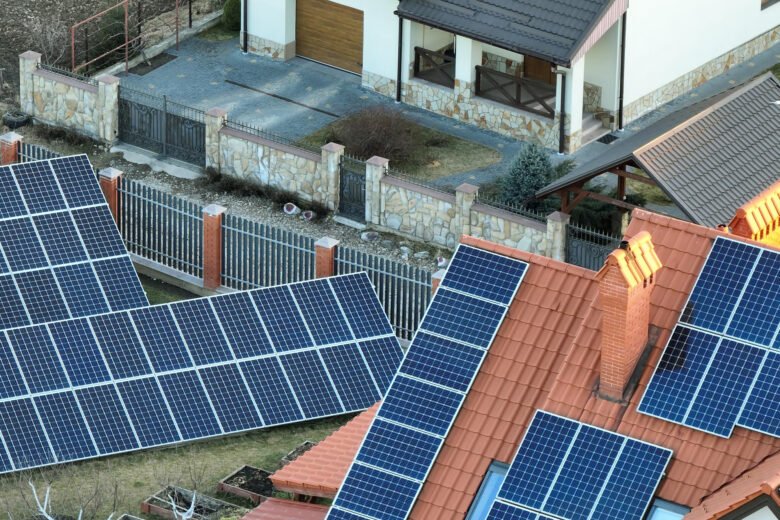
Residential solar systems are built around photovoltaic panels, which convert sunlight into direct current (DC) electricity. Typically installed on rooftops or mounted on ground structures, these panels are oriented to maximize solar exposure. The energy output of PV modules depends on factors such as geographic location, shading, panel tilt, and local climate conditions. Recent improvements in solar cell materials and manufacturing techniques have enhanced energy conversion efficiency, ensuring consistent performance over decades.
Role of Inverters
Inverters are a critical component of any residential solar system, converting the DC electricity produced by panels into alternating current (AC) compatible with home appliances and the grid. Modern inverter technologies include string inverters, microinverters, and power optimizers, each with distinct advantages in efficiency, fault tolerance, and monitoring capabilities. Many systems now come with integrated monitoring platforms, enabling homeowners and service providers to track system performance in real time.
Balance-of-System Components
Electrical balance-of-system (BOS) elements—such as wiring, mounting structures, and protective devices—ensure safe and reliable operation. Grid-tied systems connect directly to the electricity distribution network, allowing excess energy to be exported during periods of high generation and drawing power from the grid when solar output is insufficient. The integration of lithium-ion battery storage is increasingly common, enabling homeowners to store surplus energy for evening use, reduce peak electricity consumption, and improve resilience during power outages.
Distributed Generation and Grid Transformation
The proliferation of residential solar installations is reshaping traditional electricity grids. Instead of electricity flowing solely from centralized power plants to consumers, distributed generation introduces multiple injection points within distribution networks. This bidirectional flow affects voltage regulation and requires advanced grid management strategies.
High penetration of rooftop solar can influence local voltage stability during peak generation periods. Utilities employ smart inverters and voltage control mechanisms to maintain stability and prevent power quality issues. Distribution operators also rely on real-time data analytics to monitor performance and anticipate load variability, ensuring reliable service.
Virtual Power Plant Opportunities
Aggregating distributed solar and storage systems creates opportunities for virtual power plants (VPPs). Through VPPs, coordinated networks of residential systems can provide grid services such as frequency regulation, peak load reduction, and backup power. This aggregation effectively turns thousands of small-scale installations into a unified, market-participating energy resource.
Grid Modernization
The expansion of residential solar aligns closely with grid modernization efforts, including advanced metering infrastructure, automated substations, and digital communication networks. These upgrades enable precise coordination between distributed energy resources and utility operations, allowing higher penetration of renewables while maintaining grid reliability and safety standards.
Regulatory and Policy Frameworks
Policy frameworks play a critical role in shaping residential solar adoption. Incentives such as net metering, feed-in tariffs, and performance-based subsidies determine the financial attractiveness of rooftop solar installations. Regulatory approaches vary across jurisdictions, reflecting differing priorities regarding grid cost recovery, renewable energy targets, and customer equity.
Rate Design and Compensation
Evolving relationships between distributed generation and electricity markets have prompted changes in rate structures. Time-of-use pricing, demand-based tariffs, and fixed charges aim to balance cost allocation among customers with and without solar installations. Effective policies ensure fair access, maintain grid sustainability, and provide transparent compensation for exported electricity.
Connection Standards and Building Codes
Connection standards define technical requirements for safely linking residential solar systems to the distribution network. These standards cover protection mechanisms, synchronization protocols, and performance thresholds, ensuring that individual installations do not compromise grid stability. Additionally, building codes and permitting processes influence system deployment. Streamlined approvals can reduce installation timelines and costs, while thorough inspections safeguard structural and electrical safety.
Long-Term Energy Economics and Investment
The economic viability of residential solar depends on installation costs, financing options, electricity prices, and system performance over time. Declining PV module prices and improved installation efficiency have made rooftop solar more accessible to a broad range of households. Financing options such as loans, leases, and third-party power purchase agreements further expand adoption.
Electricity Cost Savings
In regions with rising electricity rates, self-generated solar energy provides predictable cost savings and hedges against future price fluctuations. Long-term financial analysis considers not only installation and maintenance expenses but also system degradation and inverter replacement. PV panels typically maintain significant performance over decades, ensuring consistent returns on investment.
Job Creation and Economic Impact
Residential solar stimulates employment in manufacturing, installation, and maintenance. By reducing dependence on imported fossil fuels, distributed generation enhances energy security and shifts capital investment from centralized power plants to local infrastructure development.
Role of Energy Storage
Battery storage enhances economic performance by increasing self-consumption and reducing reliance on grid electricity during high-cost periods. Storage economics depend on battery cost trends, cycle life, and local electricity tariffs. As storage technology improves, combined solar-plus-storage systems can also participate in grid services markets, further enhancing their financial contribution.
Environmental and Infrastructure Benefits
Residential solar systems play a key role in reducing greenhouse gas emissions by displacing fossil-fuel-based electricity generation. The environmental impact varies depending on the carbon intensity of the local grid, with coal-heavy grids benefiting most from distributed solar adoption.
Lifecycle Considerations
Environmental assessments consider emissions from manufacturing, transportation, installation, and maintenance of solar systems. Although these processes consume energy, lifecycle emissions remain low once systems are operational. Recycling programs for panels and batteries ensure sustainable resource use and minimize long-term waste.
Urban Planning and Land Use
Rooftop solar optimizes existing built structures, reducing the need for new land development compared to utility-scale solar farms. Cities increasingly integrate residential solar within resilience and disaster mitigation strategies, enhancing energy access during outages and extreme weather events.
Grid Coordination
As distributed solar capacity grows, coordination with broader transmission networks becomes essential. Balancing local generation and demand requires forecasting, data sharing, and adaptive grid management, ensuring that renewable generation is effectively integrated into the overall energy system.
FAQs
1. How do residential solar panels interact with the electricity grid?
Residential systems connect to the grid via inverters that synchronize voltage and frequency. Excess energy can be exported, while additional power is drawn when solar output is insufficient. Compliance with connection standards ensures safe and stable operations.
2. What factors affect the financial viability of rooftop solar?
Key factors include installation costs, government incentives, electricity prices, solar irradiation levels, and system performance over time. Compensation for exported electricity and ongoing maintenance also influence ROI.
3. Can residential solar reduce strain on centralized power plants?
Yes, distributed solar can lower demand on large-scale generation during daylight hours. However, utilities must maintain sufficient capacity for periods of low solar generation. Battery storage and demand-response strategies help balance supply and demand.
4. How does battery storage enhance home solar systems?
Energy storage allows households to use excess solar power during peak demand or outages, increasing self-consumption and reducing reliance on the grid. Batteries also support grid stability and participation in demand-response programs.
5. Will residential solar remain relevant as utility-scale renewables expand?
Yes, distributed solar complements centralized generation by providing localized energy production, grid flexibility, and demand-side management, enhancing resilience and energy diversification.