
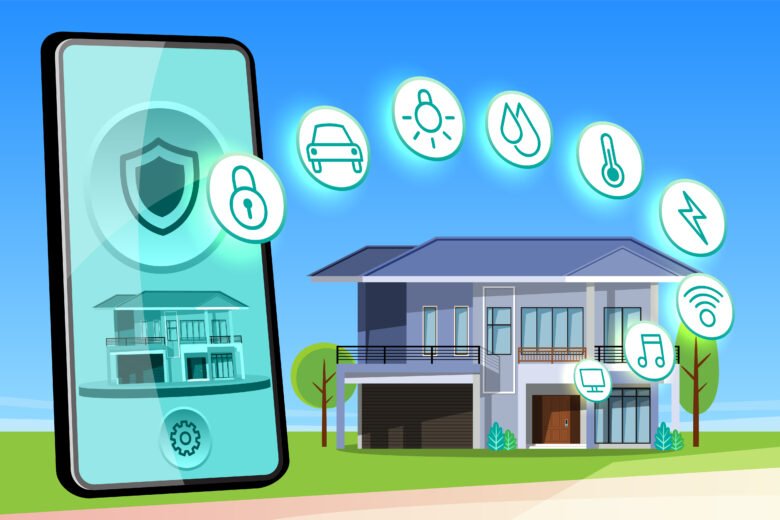
Smart home security systems have undergone a remarkable transformation over the past decade. They have evolved from basic standalone alarm panels into fully integrated, networked protection ecosystems capable of monitoring and controlling every aspect of a modern household. Today’s systems combine motion sensors, cameras, cloud-based platforms, and artificial intelligence (AI) to safeguard homes, detect environmental …
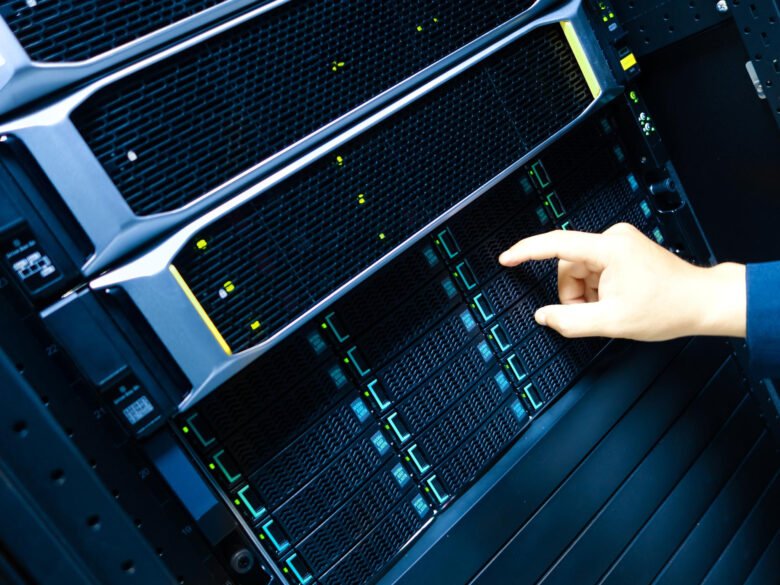
Digital infrastructure has traditionally relied on centralized data centers and cloud platforms to process, store, and analyze information. Cloud computing became the most popular way to deploy scalable applications as network capacity grew and virtualization improved. But the rapid growth of connected devices, high-resolution sensors, self-driving systems, and interactive digital services has created new performance …
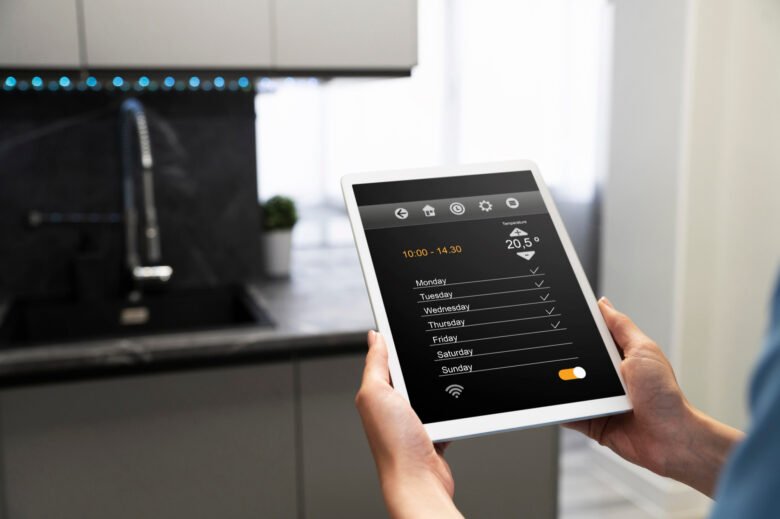
Recently, the integration of network connectivity and embedded computing has transformed traditional home appliances into integral components of broader digital ecosystems. Modern connected appliances—ranging from refrigerators, washing machines, and dishwashers to ovens, HVAC systems, and even small kitchen gadgets—no longer function as isolated machines. Instead, they work together in a connected home network, sharing information with …
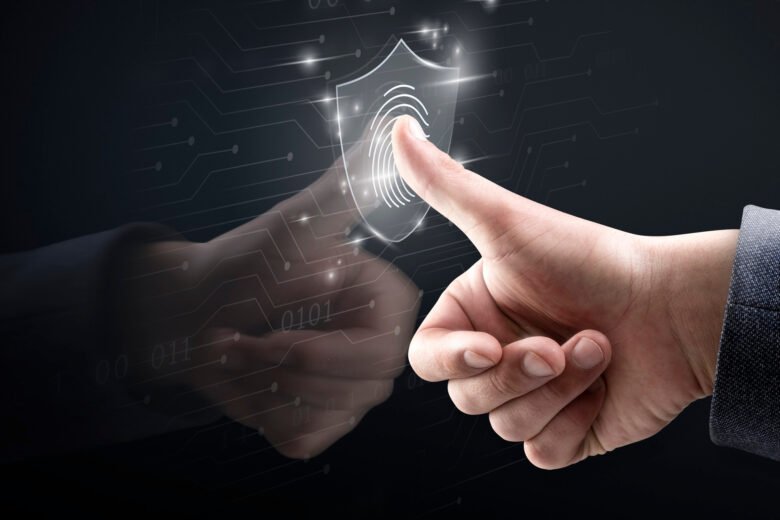
Dependence on connected platforms, mobile technologies, cloud services, and integrated devices has made robust identity verification a critical requirement across digital environments. Traditional authentication methods, such as passwords and physical tokens, continue to play a role in access control. However, they face growing limitations, including susceptibility to theft, phishing, and large-scale credential breaches. Biometric authentication …

The continuous expansion of digital ecosystems has significantly reshaped how modern households operate. What were once isolated smart devices—such as thermostats, lights, cameras, and appliances—have now evolved into interconnected systems forming sophisticated smart home environments. At the center of this transformation are voice assistants, which act as intelligent control layers connecting users, devices, and cloud-based …

The rapid expansion of digital ecosystems has transformed how individuals and businesses interact with technology. Today, it’s common to use multiple devices simultaneously—smartphones, laptops, tablets, desktop computers, smartwatches, and even connected home appliances. These devices often operate within shared networks and synchronized environments, offering convenience, flexibility, and improved productivity. However, this interconnected ecosystem also introduces …
Cloud storage has become a cornerstone of modern digital infrastructure. Businesses and individuals increasingly rely on cloud platforms to store, manage, and access data from anywhere in the world. From business documents and financial records to personal photos and application data, vast amounts of information now reside in remote, internet-connected environments. While cloud storage offers …
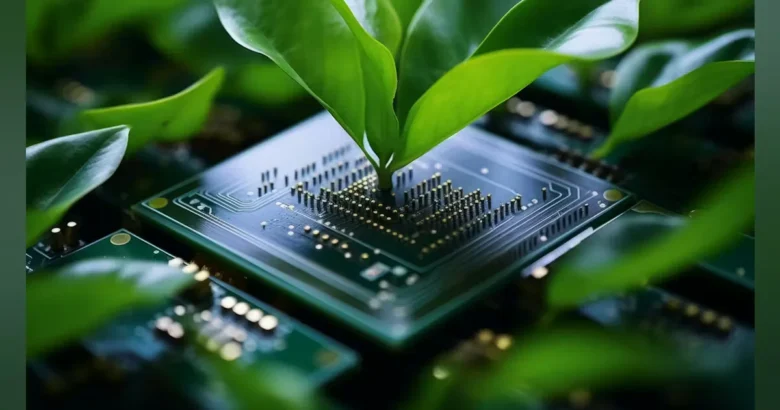
The rapid growth of consumer electronics, industrial automation systems, and digital infrastructure has brought increased attention to the materials used in electronic manufacturing. Devices such as smartphones, laptops, data center hardware, and wearable technology rely on complex combinations of metals, polymers, ceramics, and rare earth elements. While these materials enable high performance and innovation, their …
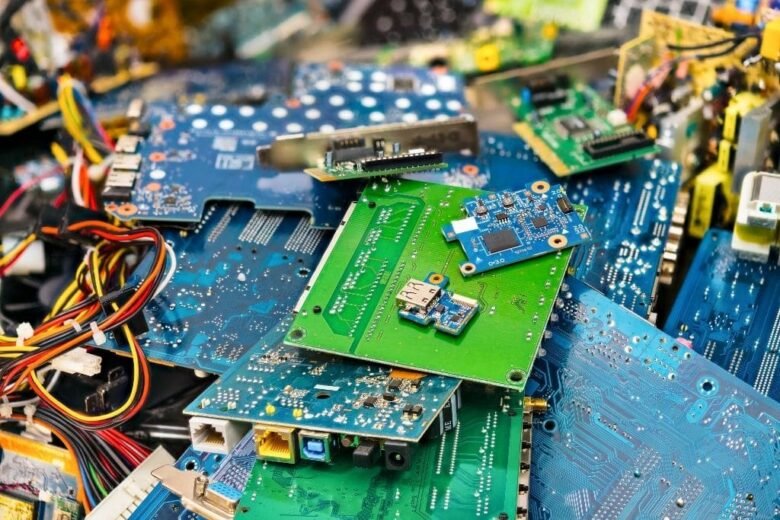
Electronic waste, commonly known as e-waste, has become one of the fastest-growing waste streams in the modern world. The rapid advancement of technology has led to more frequent replacements of devices such as smartphones, laptops, televisions, home appliances, and industrial electronics. While this innovation improves convenience and productivity, it also creates a growing challenge: what …

Hydrogen technology has emerged as a critical component in global clean energy strategies, particularly as countries and industries work toward reducing greenhouse gas emissions and transitioning to low-carbon systems. Unlike fossil fuels, hydrogen does not emit carbon dioxide when used in fuel cells or combustion processes, making it a promising option for decarbonizing sectors where …