Smart home security systems have undergone a remarkable transformation over the past decade. They have evolved from basic standalone alarm panels into fully integrated, networked protection ecosystems capable of monitoring and controlling every aspect of a modern household. Today’s systems combine motion sensors, cameras, cloud-based platforms, and artificial intelligence (AI) to safeguard homes, detect environmental hazards, and provide real-time alerts to homeowners and professional monitoring services.
As connected devices have become a standard part of households, security systems are no longer confined to simple keypad controls or sirens. Instead, they now operate as distributed digital ecosystems that interface with wireless networks, data analytics engines, and cloud services, offering a seamless blend of physical security and digital intelligence.
This transformation introduces new considerations for homeowners, manufacturers, and service providers, particularly regarding system architecture, cybersecurity, data governance, and regulatory compliance. Understanding modern smart home security requires examining network design, AI-enabled monitoring capabilities, operational reliability, and risk management frameworks. In contemporary homes, security is defined not only by walls and locks but also by the digital integrity and coordinated response mechanisms that protect both property and personal data.
Networked Security Architecture and System Design
Modern smart home security systems rely on layered architectures that connect sensors and devices to centralized control platforms. This guarantees efficient monitoring, analysis, and control of every element in the home environment.
Core Components
- Sensors and Detectors: Motion sensors, door/window sensors, glass break detectors, smoke and carbon monoxide detectors, and water leak sensors form the backbone of smart security. These devices continuously monitor the home environment for threats or unusual activity.
- Surveillance Cameras: High-definition cameras with night vision, wide dynamic range, and motion-triggered recording provide visual monitoring. Some cameras feature 360-degree rotation and zoom capabilities for comprehensive coverage.
- Central Hubs and Control Panels: The hub acts as the main coordination point, collecting data from all sensors and transmitting alerts to homeowners or monitoring centers.
- Smart devices talk to each other using wireless methods like Wi-Fi, Zigbee, Z-Wave, or personal radio frequencies, creating a connected network that is dependable and has backup options.
- Cloud Platforms: Cloud-based services store sensor data, process video feeds, and enable remote monitoring and analytics, providing homeowners with access from anywhere in the world.
System Resilience
Smart home security systems are designed to remain operational even during challenging circumstances, such as power outages or network disruptions.
- Backup Power Systems: Integrated batteries ensure sensors, cameras, and hubs continue to function during electricity failures.
- Cellular Backup Connectivity: Many systems use cellular networks as a secondary communication channel if the primary broadband connection fails, guaranteeing continuous alert transmission.
- Data Processing Efficiency: Cloud servers perform computationally intensive tasks like video analytics, while local hubs handle immediate sensor alerts, balancing responsiveness and computational efficiency.
Integration and Interoperability
One of the hallmarks of modern smart home security is its ability to integrate with other smart devices in the household.
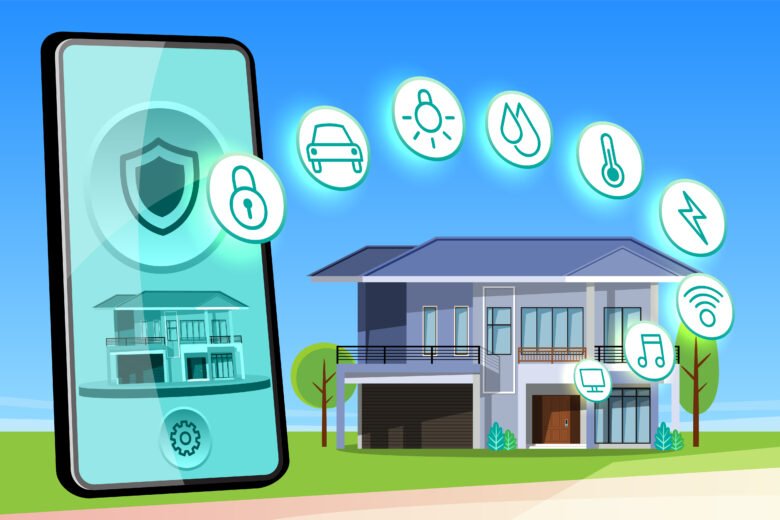
- Home Automation Integration: Security systems now link with smart locks, lighting systems, thermostats, and even voice assistants to automate responses. For example, doors can automatically lock or lights can turn on when a sensor is triggered.
- Standardized Protocols: Manufacturers are working toward unified communication standards to reduce fragmentation, simplify installation, and ensure smooth interoperability across devices from multiple brands.
AI-Driven Monitoring and Intelligent Detection
Artificial intelligence (AI) has redefined home monitoring, enabling smarter detection, reducing false alarms, and supporting predictive security measures.
Machine Learning Capabilities
- Behavioral Analysis: AI algorithms analyze patterns of activity within the home to identify unusual behavior. For instance, an alert may trigger due to unexpected movement during late-night hours, while routine movement by family members goes unnoticed.
- Video Analytics: Cameras powered by AI can differentiate between humans, pets, and environmental changes such as swaying tree branches or moving curtains. This reduces false alarms and ensures that homeowners receive alerts only for significant events.
- Facial Recognition: AI systems can recognize authorized family members or guests, providing custom notifications and improving response accuracy.
- Object Recognition: Some systems can detect packages, vehicles, or suspicious objects left outside the home, enhancing situational awareness and reducing theft risk.
Adaptive Security Responses
AI moves beyond static rule-based alerts, enabling context-aware security responses. For instance, if a sensor detects movement near a window while the homeowner is away, the system can automatically activate cameras, turn on lights, and send notifications to both the homeowner and a professional monitoring service.
- Continuous Learning: Cloud-based AI models improve detection algorithms over time by learning from patterns across many installations, which makes them more accurate.
- Some AI systems can predict possible security breaches based on past behavior. This means that homeowners get alerts before anything bad happens.
Data Privacy Considerations
While AI enhances security, it also raises privacy and data protection concerns:
- Biometric data, facial recognition profiles, and behavioral patterns must be stored securely.
- Compliance with local data protection laws is essential to avoid misuse or unauthorized access.
- Strong encryption and controlled access ensure that only authorized users can view sensitive information.
Cybersecurity and Data Governance
Smart home security systems depend on internet connectivity, making cybersecurity a critical component of overall home safety.
Key Security Measures
- Encryption: All communication between devices, hubs, and cloud servers must be encrypted to prevent interception by hackers.
- Firmware Updates: Regular software updates address vulnerabilities and protect against emerging cyber threats.
- Access Control: Multi-factor authentication and role-based permissions limit system access to authorized individuals.
- Audit Logs: Detailed logs track system activity, including device usage, configuration changes, and login attempts, to identify and respond to suspicious behavior.
Data Governance
- Data Retention Policies: Providers define how long video footage and sensor logs are stored, ensuring compliance with privacy regulations.
- Regulatory Compliance: Systems must comply with local laws regarding data storage, transmission, and sharing, especially for sensitive biometric information.
- User Trust: Implementing robust governance and security measures is essential to maintain user confidence in the system.
Operational Reliability and Emergency Response
Ensuring functional reliability is crucial for smart home security, as system failures or false alarms can undermine trust and reduce the effectiveness of emergency responses.
Reliability Measures
- Quality Assurance: Comprehensive testing during manufacturing and installation reduces the likelihood of malfunctions.
- Power Durability: Backup batteries and alternative connectivity options ensure uninterrupted operation during power or network failures.
- Network Redundancy: Systems often include multiple communication channels to guarantee that alerts reach homeowners or monitoring services reliably.
Professional Monitoring Integration
- Monitoring centers verify alerts using sensor data or live video before contacting emergency services.
- This validation reduces false dispatches and ensures that law enforcement or emergency personnel respond only to verified incidents.
Environmental Hazard Detection
- Advanced systems integrate smoke, carbon monoxide, and water leak detectors, expanding protection beyond intrusions.
- Centralized alerts allow homeowners to manage multiple threats on a single platform, providing a coordinated emergency response.
Regulatory Compliance, Insurance, and Risk Management
Smart home security systems interact with multiple regulatory frameworks, including electronics, wireless communication, and data protection laws.
Regulatory Considerations
- Compliance with electrical safety and radio frequency regulations is necessary for lawful deployment.
- Data protection laws govern how sensor and video data can be stored, shared, and reused.
Insurance Implications
- Insurers may consider advanced security systems when evaluating home risk profiles.
- Homes with professionally monitored smart security systems may qualify for lower insurance premiums due to reduced risk exposure.
Risk Management Practices
- Regular reviews of sensor placement, system settings, and device functionality help maintain effective security coverage.
- Smart security integration in new constructions aligns property design with digital connectivity, ensuring long-term reliability.
Conclusion
Smart home security has evolved into a fully integrated digital ecosystem, combining physical surveillance, intelligent analytics, and regulatory compliance. Modern systems leverage coordinated device networks, AI-driven monitoring, and robust cybersecurity to protect homes from both physical and digital threats.
As connected technologies continue to expand within households, networked security platforms remain central to safeguarding modern homes. The combination of AI, interoperability, and comprehensive risk management transforms security from a simple alarm system into a critical component of the smart home ecosystem. By embracing intelligent automation, cloud analytics, and predictive monitoring, homeowners can enjoy not only safety and convenience but also enhanced peace of mind.
FAQs
1. What is a smart home security system?
A smart home security system is a networked protection solution that combines sensors, cameras, AI, and cloud platforms to monitor, detect, and respond to both security threats and environmental hazards.
2. How does AI enhance home security?
AI improves detection accuracy, reduces false alarms, enables context-aware alerts, and provides predictive monitoring through facial recognition, object detection, and behavioral analytics.
3. How is smart home security data protected?
Data is secured with encryption, multi-factor authentication, secure cloud storage, and compliance with local privacy regulations to prevent unauthorized access.
4. How do professional monitoring services integrate with smart security systems?
Monitoring centers validate alerts using sensor data or live video before contacting emergency services, reducing false dispatches and ensuring rapid response.
5. Can smart home security systems affect insurance premiums?
Yes, verified systems with professional monitoring may reduce premiums by demonstrating lower exposure to theft, fire, or other home-related risks.