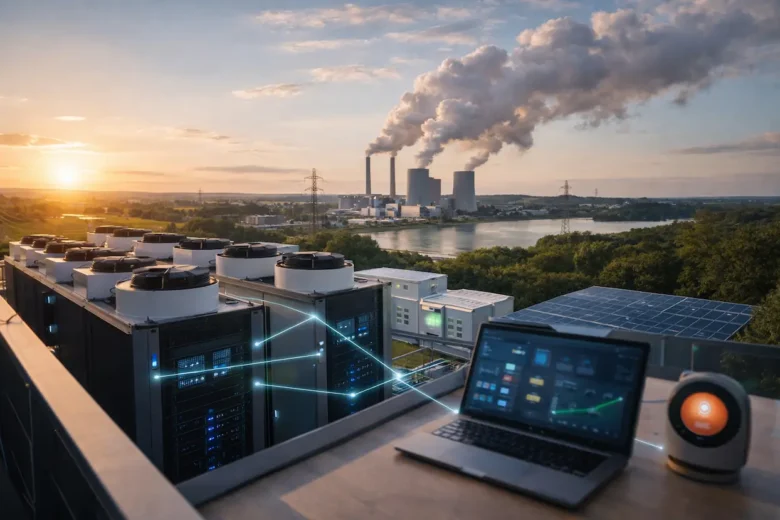
Every time you stream a video, send an email, store files in the cloud, or use an online app, there’s something working behind the scenes — a data center. These facilities are the backbone of the digital world, handling everything from websites to artificial intelligence systems.
But as digital usage continues to grow, so does the scale of these data centers. What many people don’t realize is that these facilities consume large amounts of energy and resources. From electricity to cooling systems and construction materials, data centers have a significant environmental footprint.
Understanding how data centers impact the environment is important, not just for industry experts but for anyone who relies on digital services—which is almost everyone today.
Energy Consumption and Carbon Emissions
Why Data Centers Use So Much Energy
Data centers operate 24/7. Unlike most buildings, they cannot simply shut down or reduce activity without affecting services. Servers, storage systems, and networking equipment must remain active at all times.
This constant operation leads to high energy demand. Even a small disruption in power can result in:
- Data loss
- Service outages
- System failures
Because of this, data centers prioritize reliability over energy savings.
Measuring Energy Efficiency
One common way to measure efficiency is through a metric called Power Usage Effectiveness (PUE).
- A lower PUE means better efficiency
- It compares total energy usage to energy used by computing equipment
Improving this ratio is a key goal for modern data centers.
Carbon Footprint and Energy Sources
The environmental impact largely depends on how electricity is generated.
- Data centers powered by fossil fuels produce higher emissions
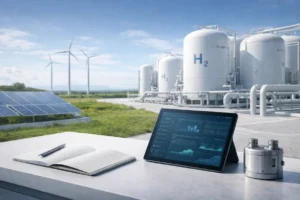
- Those using renewable energy have a lower carbon footprint
Many companies are now investing in:
- Solar energy
- Wind power
- Hydroelectric sources
However, availability depends on location and infrastructure.
Backup Power and Its Impact
Most data centers rely on backup generators, often powered by diesel.
Although used only during outages or testing, they:
- Contribute to air pollution
- Add to overall emissions
Newer solutions include battery storage systems and cleaner energy alternatives.
Cooling Systems and Water Usage
Why Cooling Is Essential
Servers generate heat constantly. Without proper cooling:
- Equipment can overheat
- Performance drops
- Hardware may fail
Cooling systems are therefore just as important as computing systems.
Traditional Air Cooling
Most data centers use air-based cooling systems:
- Cold air is circulated through server racks
- Hot air is removed to maintain temperature
While effective, this method consumes a lot of electricity, especially in warmer climates.
Water-Based Cooling Systems
To improve efficiency, some facilities use water cooling.
Benefits:
- More efficient heat removal
- Lower energy consumption
Challenges:
- Requires significant water resources
- Can be problematic in water-scarce regions
Advanced Cooling Technologies
Newer approaches include the following:
Liquid Cooling
- Coolant flows directly over components
- Reduces heat more efficiently
Immersion Cooling
- Servers are submerged in special fluids
- Eliminates the need for air circulation
These technologies improve efficiency but require specialized infrastructure.
Climate-Based Optimization
Some data centers are built in cooler regions to reduce cooling needs.
Others use:
- Natural airflow (free cooling)
- Outside air when conditions allow
This reduces both energy consumption and environmental impact.
Construction Materials and Infrastructure Impact
The Hidden Environmental Cost
The environmental impact of data centers starts even before they become operational.
Construction requires:
- Steel
- Concrete
- Electrical components
Concrete production alone is a major contributor to global carbon emissions.
Hardware Manufacturing Impact
Servers and electronic components contain:
- Metals
- Plastics
- Rare earth elements
Producing these materials requires:
- Mining
- Energy-intensive manufacturing
- Chemical processing
Reducing Construction Impact
To minimize environmental damage, companies are adopting the following:
- Modular construction methods
- Recycled materials
- Efficient design layouts
These approaches reduce waste and improve sustainability.
Operational Efficiency and Resource Optimization
Doing More With Less
One of the most effective ways to reduce environmental impact is improving efficiency.
Technologies like virtualization allow the following:
- Multiple applications to run on fewer servers
- Better use of available resources
This reduces both energy use and hardware requirements.
Intelligent Energy Management
Modern systems monitor energy usage in real time.
They can:
- Adjust power distribution
- Optimize cooling based on demand
- Shift workloads to improve efficiency
Role of Artificial Intelligence
AI is increasingly used to:
- Predict energy demand
- Optimize cooling systems
- Detect inefficiencies
This allows data centers to operate smarter, not just harder.
Hardware Improvements
Newer equipment is designed to:
- Use less power
- Deliver higher performance
Solid-state drives, for example:
- Consume less energy than traditional hard drives
- Improve speed and efficiency
Recycling and Lifecycle Management
Old hardware doesn’t have to go to waste.
Sustainable practices include:
- Refurbishing servers
- Recycling components
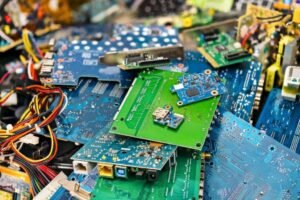
- Safe disposal of electronic waste
This reduces the need for new materials and minimizes environmental impact.
Regulatory Frameworks and Sustainability Efforts
Government Regulations
Many regions now require data centers to meet environmental standards.
These may include:
- Energy efficiency targets
- Emission limits
- Reporting requirements
Industry Commitments
Large companies are setting their own goals, such as the following:
- Carbon neutrality
- 100% renewable energy usage
- Reduced water consumption
These commitments drive innovation and accountability.
Grid Integration and Energy Balance
Data centers also interact with local power grids.
They can:
- Adjust usage during peak demand
- Support grid stability
- Participate in demand-response programs
This helps balance energy supply and demand at a larger scale.
Community and Environmental Responsibility
As data centers grow, communities are paying closer attention to:
- Land use
- Water consumption
- Environmental impact
Transparency and responsible planning are becoming essential for long-term success.
Practical Insights and Real Observations
In my experience, the biggest issue isn’t just how much energy data centers use — it’s how efficiently they use it.
Small improvements can make a big difference.
For example:
- Optimizing cooling systems often leads to noticeable energy savings
- Reducing idle server usage can significantly cut waste
One mistake I’ve seen is focusing only on power consumption while ignoring cooling and infrastructure efficiency. True optimization requires looking at the system as a whole.
Common Mistakes to Avoid
- Ignoring cooling efficiency while focusing only on servers
- Using outdated hardware for too long
- Overbuilding capacity without proper optimization
- Neglecting water usage in cooling systems
- Failing to recycle or reuse old equipment
Pro Tips for Better Sustainability
- Invest in energy-efficient hardware
- Use renewable energy sources where possible
- Optimize cooling with modern technologies
- Monitor energy usage continuously
- Plan infrastructure with long-term scalability in mind
FAQs
1. Why do data centers consume so much energy?
Data centers run continuously and require power for servers, storage systems, and cooling. This constant operation leads to high energy demand.
2. Are data centers harmful to the environment?
They can be, especially if powered by fossil fuels. However, many are adopting renewable energy and efficient technologies to reduce their impact.
3. What is the biggest environmental concern for data centers?
Energy consumption and cooling requirements are the main concerns, followed by water usage and construction materials.
4. Can data centers become fully sustainable?
While complete sustainability is challenging, many are moving toward carbon neutrality using renewable energy and efficient systems.
5. How is technology helping reduce their impact?
Advancements like AI, efficient hardware, and improved cooling systems are helping data centers reduce energy use and operate more sustainably.
Conclusion
Data centers are essential to the modern digital world, but they come with real environmental challenges.
From energy consumption to cooling systems and material use, every aspect of their operation affects sustainability. The good news is that innovation is moving in the right direction.
With smarter systems, better design, and stronger environmental commitments, data centers are gradually becoming more efficient and responsible.
The future of digital infrastructure depends not just on performance but on how sustainably it can operate in a world where resources matter more than ever.