Electronic waste, commonly known as e-waste, has become one of the fastest-growing waste streams in the modern world. The rapid advancement of technology has led to more frequent replacements of devices such as smartphones, laptops, televisions, home appliances, and industrial electronics. While this innovation improves convenience and productivity, it also creates a growing challenge: what happens to these devices once they are discarded?
E-waste contains a complex mix of materials, including metals, plastics, glass, and electronic components. Some of these materials are valuable and recyclable, while others can be hazardous if not handled properly. The journey of electronic waste after disposal involves a structured system of collection, dismantling, material recovery, and environmental management. Understanding this process is essential for appreciating how recycling contributes to sustainability and resource conservation.
Collection and Initial Processing
The lifecycle of electronic waste recycling begins with collection. Discarded devices are gathered through various channels, including municipal recycling programs, retailer take-back schemes, and specialized e-waste collection events. Many businesses also partner with certified recycling companies to safely dispose of outdated equipment in bulk.
Proper collection is crucial because it prevents hazardous materials from ending up in landfills. Electronics often contain substances such as lead, mercury, and flame retardants, which can contaminate soil and water if improperly discarded.
Once collected, e-waste is transported to dedicated recycling facilities. At this stage, items are sorted based on their type and composition. For example:
- Large appliances (like refrigerators and washing machines)
- Consumer electronics (such as TVs and smartphones)
- IT equipment (including computers and servers)
Sorting helps streamline the recycling process, as different categories require different handling and recovery techniques.
Another important step during initial processing is data security. Devices like computers and smartphones often store sensitive personal or corporate data. Certified recyclers use secure data destruction methods, such as data wiping or physical destruction of storage devices, to ensure that no information can be recovered.
Dismantling and Component Separation
After sorting, the next step is dismantling. This process involves breaking down devices into individual components. In many cases, dismantling is done manually, as human workers can carefully remove specific parts that require special handling.
Key components removed during this stage include:
- Batteries (especially lithium-ion batteries)
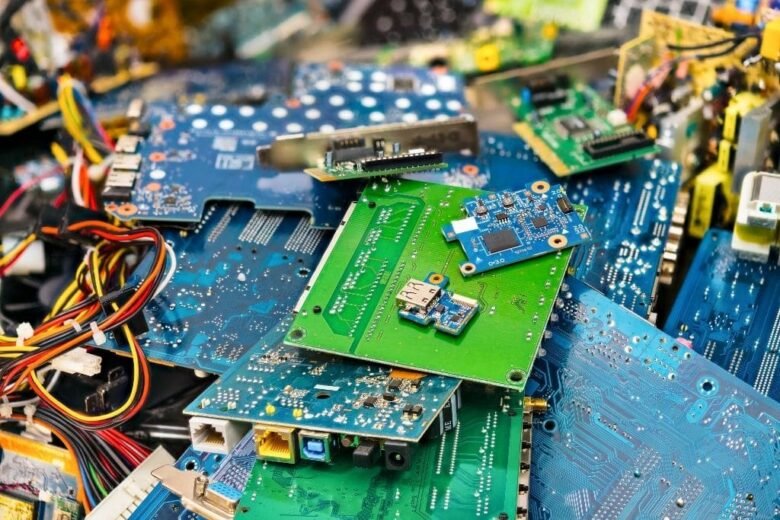
- Circuit boards
- Screens and display panels
- Wiring and connectors
Removing these components early is essential for safety and efficiency. For instance, lithium-ion batteries can pose fire risks if damaged during mechanical processing, so they must be handled separately.
Older devices, such as cathode ray tube (CRT) monitors, contain leaded glass that requires specialized recycling. Separating hazardous components at this stage helps prevent contamination and improves the overall quality of recovered materials.
Once hazardous and valuable components are removed, the remaining device structure is sent for mechanical processing. Machines shred the materials into smaller pieces, making it easier to separate different material types.
Mechanical Separation and Material Sorting
Shredded e-waste undergoes a series of mechanical separation processes to isolate different materials. These processes use advanced technologies such as the following:
- Magnetic separation to extract ferrous metals like iron and steel
- Eddy current separation to isolate non-ferrous metals like aluminum and copper
- Density-based separation to sort plastics and lighter materials
This stage is critical because it prepares materials for further refinement. Efficient separation ensures higher recovery rates and better quality of recycled materials.
Modern recycling facilities often use automated systems and optical sorting technologies to improve accuracy and reduce waste. These systems can identify material types based on their physical and chemical properties, enabling more precise sorting.
Material Recovery and Refining
Material recovery is the core objective of e-waste recycling. Electronic devices contain valuable metals such as the following:
- Copper
- Gold
- Silver
- Palladium
- Platinum
Although these metals are present in small quantities, their cumulative value is significant. Extracting them requires specialized processes.
Smelting
Smelting involves heating materials at high temperatures to separate metals based on their melting points. This process concentrates valuable metals, which are then further refined for reuse in manufacturing.
Hydrometallurgical Processing
This method uses chemical solutions to dissolve and recover specific metals. It is often more precise than smelting and can achieve higher recovery rates for certain elements.
Plastic and Glass Recycling
Plastics are sorted, cleaned, and melted to create new products. However, recycling plastics from electronics can be challenging due to additives like flame retardants.
Glass components, particularly from screens, are processed separately. Specialized facilities handle display glass to ensure safe and effective recycling.
Environmental and Health Safeguards
E-waste recycling must be carefully managed to protect both the environment and human health. Hazardous substances in electronics can pose serious risks if not handled properly.
Certified recycling facilities follow strict environmental regulations, including:
- Air filtration systems to capture harmful particles
- Wastewater treatment systems to prevent chemical contamination
- Safe handling protocols for toxic materials
Worker safety is also a priority. Protective equipment, proper ventilation, and training help reduce exposure to harmful substances during dismantling and processing.
In contrast, informal recycling practices—such as open burning or acid extraction—can cause severe environmental damage. These methods release toxic fumes and contaminate soil and water, highlighting the importance of regulated recycling systems.
Economic and Regulatory Frameworks
The e-waste recycling industry operates within a complex economic and regulatory environment. The profitability of recycling often depends on the value of recovered materials, especially precious metals.
Extended Producer Responsibility (EPR)
Many countries have implemented EPR programs, which require manufacturers to take responsibility for the disposal and recycling of their products. This encourages companies to design products that are easier to recycle and contain fewer hazardous materials.
Global Regulations
International agreements aim to control the movement of hazardous waste across borders. These regulations prevent the dumping of e-waste in regions with inadequate recycling infrastructure.
Consumer Participation
Public awareness plays a significant role in recycling success. Devices stored at home or disposed of improperly reduce the efficiency of recycling systems. Accessible collection programs and clear guidelines help improve participation rates.
Technological Innovations in E-Waste Recycling
Advancements in technology are improving the efficiency and sustainability of e-waste recycling. Some emerging innovations include:
- Robotic dismantling systems that automate component separation
- AI-powered sorting technologies for more accurate material identification
- Bioleaching, which uses microorganisms to extract metals in an environmentally friendly way
Additionally, manufacturers are adopting design-for-recycling principles, such as modular designs and standardized components. These changes make it easier to disassemble and recycle devices at the end of their lifecycle.
Digital tracking systems are also being introduced to monitor e-waste from collection to processing, improving transparency and accountability.
Conclusion
The journey of electronic waste after disposal is far more complex than simply throwing devices away. Through a structured process of collection, dismantling, sorting, and material recovery, valuable resources are reclaimed while minimizing environmental harm.
E-waste recycling not only reduces the need for raw material extraction but also prevents hazardous substances from polluting ecosystems. However, its success depends on coordinated efforts involving governments, manufacturers, recyclers, and consumers.
As technology continues to evolve, improving recycling systems and promoting responsible disposal will be essential for building a more sustainable and resource-efficient future.
FAQs
1. What is e-waste?
E-waste refers to discarded electronic devices such as smartphones, computers, televisions, and appliances that are no longer in use.
2. Why is e-waste recycling important?
Recycling e-waste helps recover valuable materials, reduces environmental pollution, and prevents hazardous substances from harming ecosystems and human health.
3. Can all electronic waste be recycled?
Most electronic devices can be partially recycled, but some components may require specialized processing or may not be fully recoverable.
4. What happens to data on recycled devices?
Certified recyclers use secure data destruction methods to ensure that personal or sensitive information cannot be accessed after disposal.
5. How can individuals recycle e-waste responsibly?
You can recycle e-waste by using local collection programs, retailer take-back services, or certified recycling facilities that follow environmental and safety standards.