Recently, the integration of network connectivity and embedded computing has transformed traditional home appliances into integral components of broader digital ecosystems. Modern connected appliances—ranging from refrigerators, washing machines, and dishwashers to ovens, HVAC systems, and even small kitchen gadgets—no longer function as isolated machines. Instead, they work together in a connected home network, sharing information with homeowners, service providers, and energy grids. This connectivity allows for optimized energy use, enhanced convenience, proactive maintenance, and improved sustainability, all while also enabling integration with renewable energy systems.
As homes become increasingly digitally enabled, connected appliances are no longer just tools; they are active contributors to energy management, automation, and smart home functionality. This article explores the digital architecture, energy efficiency, predictive maintenance, smart home integration, data governance, economic impact, and lifecycle management of connected appliances, highlighting their growing role in modern domestic life.
Digital Architecture and System Integration of Connected Appliances
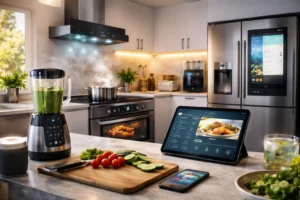
Smart home appliances use advanced microprocessors and built-in sensors to work intelligently and connect easily to digital networks. The core of these appliances lies in their ability to collect, process, and communicate real-time data while simultaneously performing traditional mechanical or electrical functions.
Key technological features include the following:
- Embedded Sensors: Modern appliances are equipped with sensors that monitor temperature, humidity, load weight, water usage, energy consumption, and operational status. For example, smart washing machines detect load size and fabric type, adjusting water levels, detergent dosage, and wash cycle duration for maximum efficiency.
- Wireless Communication: Appliances transmit data to centralized home hubs or cloud platforms via Wi-Fi, Bluetooth, Zigbee, or other wireless protocols. This connectivity allows devices to be remotely monitored, controlled, and optimized.
- Cloud Integration: Cloud-based platforms allow manufacturers to aggregate anonymized performance data across multiple installations, enabling predictive maintenance, firmware updates, and analytics-driven optimization.
Benefits of system integration include:
- Centralized Control: Homeowners can monitor and control all appliances through a single app or dashboard, creating coordinated operation patterns.
- Interoperability: Appliances from different manufacturers can work together seamlessly using standardized communication protocols. This ensures appliances function cohesively within voice-controlled or automated smart home ecosystems.
- Security Layers: Encryption protocols, authentication mechanisms, and secure cloud communication safeguard sensitive data while allowing remote management and optimization.
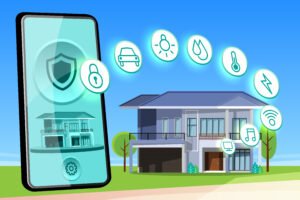
By combining hardware intelligence and network connectivity, connected appliances can interact with both users and external systems, including energy providers, service technicians, and smart grids, creating a fully integrated home ecosystem.
Energy Efficiency and Resource Optimization
One of the most significant advantages of connected home appliances is their ability to optimize energy and resource usage. These appliances can dynamically adapt their operation based on real-time environmental conditions, user habits, and energy pricing structures.
How connected appliances optimize resources:
- Real-Time Adaptation: Appliances adjust their operational cycles according to current usage conditions.
- Example: A smart dishwasher may reduce cycle time or lower water temperature based on the size and type of dishes, conserving both energy and water.
- Smart refrigerators can adjust compressor operation based on internal temperature and external conditions, preventing overcooling and saving energy.
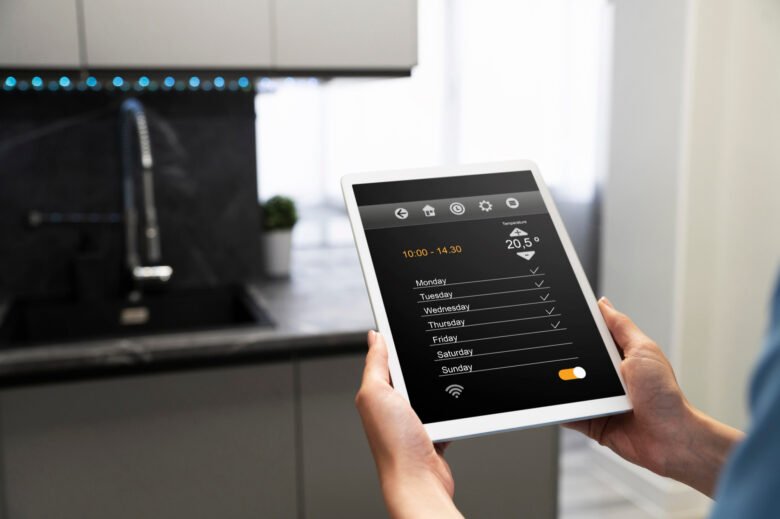
- Time-of-Use Scheduling: Appliances can be programmed to operate during off-peak electricity hours when rates are lower, reducing electricity bills and minimizing demand on the grid.
- Example: Running a washing machine or dryer at night when energy is cheaper and renewable energy availability is higher.
- Adaptive Algorithms: Devices can learn usage patterns over time, predicting when and how they will be used to maximize efficiency without compromising convenience.
Additional benefits:
- Data Analytics Insights: Homeowners gain insights into energy consumption patterns, helping them identify areas for further optimization.
- Cumulative Energy Savings: Small efficiency improvements across multiple devices accumulate over time, resulting in substantial reductions in energy bills and environmental impact.
- Water Conservation: Smart washing machines and dishwashers reduce unnecessary water usage while maintaining effective cleaning performance.
Connected appliances not only help reduce household energy costs but also contribute to broader environmental sustainability by minimizing waste and promoting responsible consumption.
Predictive Maintenance and Lifecycle Management
Connected appliances extend beyond energy efficiency by providing predictive maintenance, diagnostics, and lifecycle management capabilities.
Key aspects of predictive maintenance:
- Real-Time Monitoring: Appliances continuously monitor operational parameters, identifying signs of wear or performance degradation before issues escalate.
- Example: A refrigerator may detect if its compressor is working harder than usual and alert the user or service provider to potential maintenance needs.
- Remote Diagnostics: Technicians can access appliance data remotely to analyze errors and performance trends, reducing the need for onsite visits and minimizing downtime.
- Over-the-Air Updates: Firmware updates can be pushed securely to correct software issues or improve functionality without physical intervention.
Lifecycle management benefits:
- Data-Driven Product Improvement: Aggregated operational data informs manufacturers about recurring issues, usage patterns, and potential upgrades for future models.
- Service Records and Compliance: Connected appliances maintain detailed logs of operation, usage cycles, and maintenance activities, supporting warranty claims and service accountability.
- Extended Product Lifespan: Early detection of anomalies and optimized usage cycles prolong the operational life of devices, saving costs and reducing electronic waste.
By leveraging predictive maintenance and lifecycle management, connected appliances reduce unexpected failures, improve user convenience, and support long-term sustainability goals.
Integration with Smart Home Ecosystems
Connected appliances are most effective when integrated into comprehensive smart home ecosystems, where they can interact with other devices and automated systems.
Integration features:
- Centralized Automation: Smart home platforms coordinate multiple devices, including lighting, HVAC systems, and appliances, to optimize overall energy use.
- Example: When a smart oven is in use, ventilation systems adjust automatically to maintain air quality and efficiency. Washing cycles may be scheduled during periods of reduced household energy demand.
- Voice-Controlled Interfaces: Devices can respond to voice commands via assistants like Amazon Alexa or Google Assistant, enhancing convenience.
- Scene-Based Automation: Multiple appliances respond to a single command or schedule. For instance, a “Movie Night” scene could dim lights, adjust the thermostat, and start a popcorn maker.
Integration with renewable energy sources:
- Homes with rooftop solar panels or battery storage can prioritize appliance use during peak generation periods, ensuring maximum use of locally generated energy.
- Smart appliances can shift energy-intensive tasks to coincide with high renewable generation, minimizing reliance on the grid and reducing carbon footprint.
Grid Participation: Connected appliances can also contribute to broader energy networks:
- Aggregated data helps utility companies forecast energy demand, improving grid efficiency.
- Appliances can participate in demand response programs, temporarily adjusting usage during peak demand periods to support grid stability.
Through these integrations, connected appliances enhance both individual household efficiency and broader energy system performance.
Data Governance and Cybersecurity Considerations
While connectivity brings numerous advantages, it also introduces cybersecurity and data privacy concerns. Connected appliances collect sensitive data about household behaviors, usage patterns, and energy consumption.
Key considerations for data security:
- Types of Data Collected: Operational metrics, error codes, user schedules, appliance performance, and sometimes occupancy patterns.
- Protection Measures:
- Encrypted data transmission
- Secure authentication and access control
- Regular firmware updates to address vulnerabilities
- Network Segmentation: Isolates connected appliances from personal computing devices to reduce the risk of cyberattacks.
Regulatory Compliance:
- Data collection and processing must comply with privacy regulations, including data minimization, informed consent, and breach notification.
- Transparent governance builds consumer trust and ensures appliances operate in alignment with legal frameworks.
Manufacturers, software developers, and cybersecurity experts collaborate to maintain adaptive security strategies, regularly assessing emerging threats and ensuring the integrity of connected home networks.
Economic Considerations and Market Impact
Connected appliances influence consumer purchasing behavior, operational costs, and industry trends:
- Cost vs. Savings: While connected appliances typically cost more upfront, efficiency improvements, predictive maintenance, and energy savings often offset initial investment over time.
- Incentive Programs: Utilities may provide rebates or rewards for appliances that support demand response initiatives, encouraging households to adopt smart technologies.
- Consumer Preferences: Buyers increasingly value digital connectivity, automation, and smart features alongside traditional performance metrics like durability, energy efficiency, and brand reliability.
Industry Implications:
- Manufacturers are integrating advanced electronics, sensors, and communication modules into traditional appliances.
- The convergence of appliance engineering with software development reshapes product development priorities, innovation pipelines, and market competition.
Connected appliances are now a critical element of modern home infrastructure, enabling energy efficiency, automation, predictive maintenance, and participation in larger energy systems. Their evolution will continue to impact functional practices, governance models, and economic trends in contemporary domestic environments.
FAQs
1. How do connected home appliances improve household energy efficiency?
Connected appliances adjust their operation based on real-time data, optimize cycles for energy and water savings, and can operate during off-peak electricity hours or renewable energy availability, reducing overall consumption.
2. What types of data do connected appliances collect?
They collect operational metrics such as cycle frequency, energy and water use, temperature readings, load sizes, error codes, and user preferences. This data supports optimization, predictive maintenance, and system integration.
3. Can connected appliances work within existing smart home systems?
Yes. Most modern appliances support interoperability standards and can be integrated with centralized smart home platforms, voice assistants, and automated scheduling systems for cohesive operation.
4. Do connected appliances require continuous internet access to function?
No. Core appliance functions typically work without constant connectivity. Internet access is required for remote monitoring, cloud analytics, firmware updates, and some advanced automation features.
5. How does connectivity contribute to appliance longevity?
Connected appliances provide predictive maintenance alerts, remote diagnostics, and firmware updates, identifying potential issues early and reducing unexpected failures, thereby extending the appliance’s lifespan.