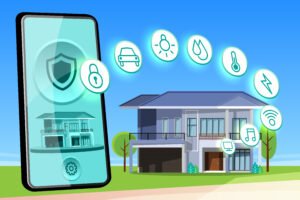
Building a smart home sounds exciting, but for many people, it also sounds expensive and complicated.
You might think you need high-end devices, complex setups, or a large budget to get started. The truth is, you can build a practical and useful smart home without spending a lot of money.
The key is not buying everything at once. It is about making smart choices, starting small, and focusing on what actually improves your daily life.
This guide will walk you through a simple, step-by-step approach to building a smart home on a budget without wasting money on unnecessary devices.
What Is a Smart Home and Why Should You Care
A smart home uses connected devices that can be controlled remotely or automatically.
These devices can:
- Save time
- Improve convenience
- Increase energy efficiency
- Enhance security
For example, you can control lights with your phone, adjust the temperature automatically, or monitor your home while you are away.
If you want to understand how smart systems work in general, you can explore Smart Home Systems Explained How They Work And Why They Matter.
Can You Really Build a Smart Home on a Budget
Yes, you can.
Many beginners make the mistake of trying to build a complete smart home at once. This often leads to overspending and confusion.
Instead, focus on:
- Starting with essential devices
- Expanding gradually
- Choosing affordable options
A budget smart home is not about having the most devices. It is about having the right ones.
Step by Step Guide to Building a Smart Home on a Budget
Step 1: Start With a Clear Goal
Before buying anything, ask yourself what you actually want.
Do you want:
- Better security
- Lower energy bills
- More convenience
- Automation for daily tasks
Your goal will help you decide which devices to prioritize.
Step 2: Choose a Smart Home Ecosystem
A smart home ecosystem is the platform that connects your devices.
Popular options include:
- Google based systems
- Amazon Alexa
- Apple HomeKit
Choosing one ecosystem helps ensure compatibility and avoids future problems.
Step 3: Begin With Smart Lighting
Smart lighting is one of the easiest and most affordable ways to start.
Benefits include:
- Remote control
- Scheduling
- Energy savings
You can start with:
- Smart bulbs
- Smart plugs
This gives you immediate results without a big investment.
Step 4: Add Smart Plugs for Basic Automation
Smart plugs turn regular devices into smart devices.
You can use them to control:
- Fans
- Lamps
- Appliances
They are affordable and easy to install, making them perfect for beginners.
Step 5: Focus on Security Essentials
Security should be a priority, even on a budget.
Start with:
- Smart door sensors
- Basic security cameras
- Motion detectors
However, it is important to understand the risks as well. Learn more in Are Smart Home Security Systems Really Safe Hidden Risks Explained.
Step 6: Improve Energy Efficiency
Smart devices can help reduce electricity usage.
For example:
- Smart thermostats adjust temperature automatically
- Smart plugs prevent energy waste
If you are interested in reducing costs, you can also read How to Reduce Home Energy Consumption Using Technology.
Step 7: Use Voice Assistants for Control
Voice assistants make your smart home easier to use.
You can control devices using simple voice commands.
This adds convenience without requiring additional complex setups.
Step 8: Expand Slowly Over Time
Do not rush.
Add new devices only when:
- You understand how they work
- You actually need them
This approach helps you avoid unnecessary spending.
Common Mistakes to Avoid When Building a Budget Smart Home
Buying Too Many Devices at Once
This leads to confusion and wasted money.
Start small and expand gradually.
Ignoring Compatibility
Not all devices work together.
Always check compatibility before buying.
Choosing Cheap but Unreliable Devices
Low price should not mean poor quality.
Balance affordability with reliability.
Overlooking Security
Smart devices can be vulnerable if not properly secured.
You should understand basic risks by reading Cybersecurity Basics How to Stay Safe Online in 2026.
How to Keep Your Smart Home Secure
Secure Your Wi Fi Network
Your smart home depends on your internet connection.
An insecure network can expose all your devices.
Follow How to Secure Your Home Wi Fi Network Step by Step Guide to improve safety.
Use Strong Passwords
Each device should have a unique and strong password.
Enable Security Features
Turn on available security options such as two-factor authentication.
You can learn more in Two Factor Authentication Strengthening Online Account Protection.
Keep Devices Updated
Regular updates fix security issues and improve performance.
Budget-Friendly Smart Home Setup Example
Here is a simple and affordable setup:
- Smart bulb for lighting control
- Smart plug for appliances
- Basic security camera
- Voice assistant device
This setup covers:
- Convenience
- Basic automation
- Security
All without a large investment.
Benefits of Building a Smart Home on a Budget
Saves Money Over Time
Energy-efficient devices can reduce electricity bills.
Improves Daily Convenience
Automating simple tasks saves time and effort.
Enhances Home Security
Even basic smart devices improve safety.
Easy to Upgrade Later
You can expand your system as your budget grows.
Frequently Asked Questions
Can I build a smart home without spending a lot of money?
Yes, you can start with basic devices and expand gradually.
What is the best device to start with?
Smart lighting or smart plugs are great starting points.
Are budget smart devices reliable?
Many affordable devices are reliable if you choose trusted brands.
Do I need technical skills to build a smart home?
No, most devices are designed for easy setup and use.
Is a smart home safe?
Yes, but only if you follow proper security practices.
Conclusion
Building a smart home does not have to be expensive or complicated.
By starting small, focusing on essential devices, and expanding gradually, you can create a smart and efficient home without overspending.
The most important thing is to choose devices that actually improve your daily life rather than buying everything at once.
With the right approach, even a small investment can make a big difference.
A smart home is not about having the latest technology. It is about using technology in a way that makes your life easier, safer, and more efficient.