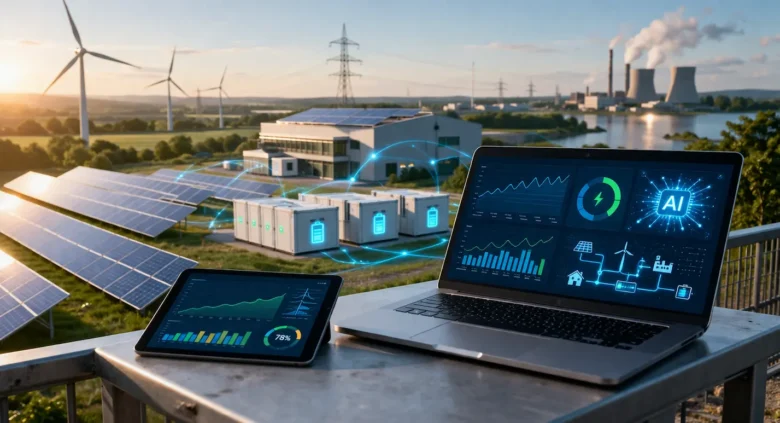
Energy use is something most of us don’t think about until bills go up or systems stop working properly. But behind the scenes, managing energy has become far more complex than simply producing and consuming electricity. With rising global demand and increasing pressure to reduce environmental impact, traditional energy systems are no longer enough.
This is where artificial intelligence (AI) is quietly transforming the way energy is managed. From predicting electricity demand to optimizing how buildings use power, AI is helping systems become smarter, more efficient, and more responsive.
In this article, we’ll break down how AI is used in energy optimization, where it makes the biggest difference, and why it’s becoming essential for the future of energy systems.
How Artificial Intelligence Fits Into Energy Systems
Understanding the Data Behind Energy Use
Modern energy systems generate huge amounts of data every second. Smart meters, sensors, weather systems, and industrial equipment all produce continuous streams of information.
The challenge isn’t collecting this data — it’s making sense of it.
AI systems analyze these datasets to:
- Identify patterns in energy usage
- Detect inefficiencies
- Predict future demand
- Suggest improvements in real time
Instead of reacting to problems after they happen, AI allows systems to anticipate and adjust before issues occur.
Smart Grids and Intelligent Energy Distribution
How AI Improves Grid Stability
Traditional power grids were designed for one-way energy flow — from power plants to consumers. Today, energy systems are far more dynamic, especially with renewable sources like solar and wind.
AI helps manage this complexity by:
- Predicting energy demand based on usage patterns
- Balancing supply and demand in real time
- Adjusting distribution automatically
For example, during peak hours, AI systems can redistribute energy or reduce non-essential loads to prevent overload.
Demand Response and Load Management
One of the most powerful uses of AI is demand response.
This means:
- Shifting energy usage to off-peak times
- Reducing strain on the grid
- Lowering overall energy costs
AI systems can automatically adjust appliances, industrial machines, or building systems based on real-time grid conditions.
Renewable Energy Integration and Forecasting
Solving the Problem of Variability
Renewable energy sources like solar and wind are not always consistent. Cloud cover, wind speed, and weather conditions can change quickly.
AI helps by:
- Analyzing weather data and historical patterns
- Predicting energy generation levels
- Adjusting systems accordingly
This improves reliability and reduces waste.
Energy Storage Optimization
AI also plays a key role in managing battery storage systems.
It decides:
- When to store excess energy
- When to release stored power
- How to balance supply during shortages
This ensures that renewable energy is used efficiently instead of being wasted.
Building Energy Management Systems
Making Buildings Smarter
Buildings account for a large portion of global energy use. Heating, cooling, lighting, and ventilation systems often run inefficiently without proper control.
AI-powered systems improve this by:
- Adjusting temperature based on occupancy
- Turning off unused systems automatically
- Optimizing lighting based on natural daylight
Real-Time Energy Adjustments
Instead of fixed schedules, AI systems respond dynamically.
For example:
- Offices use less energy when empty
- Cooling systems adjust based on weather
- Lighting adapts to real-time conditions
This reduces waste while maintaining comfort.
Industrial Energy Optimization
Improving Efficiency in Manufacturing
Industrial facilities consume large amounts of energy, often with complex machinery and processes.
AI helps by:
- Monitoring equipment performance
- Identifying inefficiencies
- Suggesting operational improvements
Predictive Maintenance
One of the most practical benefits is predictive maintenance.
Instead of waiting for machines to fail, AI:
- Detects early warning signs
- Schedules maintenance before breakdowns
- Prevents energy loss from inefficient equipment
This saves both energy and operational costs.
Process Optimization
AI systems can also fine-tune production processes.
For example:
- Adjusting temperature or pressure settings
- Optimizing machine usage
- Reducing energy consumption per unit produced
Data Infrastructure and System Integration
Why Data Quality Matters
AI systems rely on accurate data. Poor-quality data leads to poor decisions.
Energy systems must ensure the following:
- Consistent data collection
- Proper formatting and standardization
- Reliable storage and processing
Cloud and Edge Computing
Energy data is processed using:
- Cloud platforms for large-scale analysis
- Edge systems for real-time decision-making
This combination allows both speed and scalability.
Cybersecurity in AI-Driven Energy Systems
Protecting Connected Infrastructure
As energy systems become more connected, security becomes critical.
Potential risks include the following:
- Unauthorized access
- Data breaches
- System disruptions
Key Security Measures
To reduce risks, systems use:
- Encryption for data protection
- Access control systems
- Network monitoring tools
AI itself is also used to detect unusual activity and prevent cyber threats.
Governance and Regulatory Considerations
Compliance with Energy Standards
Energy systems operate under strict regulations related to:
- Emissions
- Data privacy
- Safety standards
AI systems must align with these requirements while maintaining transparency.
Responsible Data Use
With large amounts of user and system data involved, organizations must do the following:
- Protect personal information
- Ensure ethical use of data
- Maintain accountability in automated decisions
Practical Insights From Real Use
In my experience, the biggest benefit of AI in energy systems isn’t just automation — it’s awareness.
One thing I noticed is that many systems waste energy simply because no one is monitoring them closely. Once AI tools are introduced, even basic insights can lead to major improvements.
What worked for me when analyzing energy systems was focusing on small inefficiencies first. Fixing minor issues — like unnecessary usage during idle times — often created noticeable savings.
One mistake I’ve seen is relying too much on automation without understanding the system. AI works best when combined with human oversight, not as a complete replacement.
Common Mistakes to Avoid
- Ignoring data quality before implementing AI
- Over-relying on automation without monitoring results
- Not updating systems regularly
- Using AI tools without clear goals
- Neglecting cybersecurity in connected systems
Pro Tips for Better Energy Optimization
- Start with small systems before scaling up
- Focus on high-impact areas like heating and machinery
- Regularly review system performance
- Combine AI insights with manual checks
- Keep systems updated and secure
FAQs
1. How does artificial intelligence improve energy efficiency?
AI improves efficiency by analyzing data, predicting demand, and adjusting systems in real time. This reduces waste and ensures energy is used only when needed.
2. Can AI help with renewable energy usage?
Yes, AI predicts energy generation from sources like solar and wind, helping balance supply and demand more effectively.
3. Is AI used in homes or only large systems?
AI is used in both. Smart thermostats, lighting systems, and home automation tools already use AI to optimize energy use.
4. Are AI-based energy systems secure?
They can be secure if proper measures like encryption, access control, and monitoring systems are in place.
5. What is the biggest advantage of AI in energy systems?
The biggest advantage is real-time optimization — systems can adjust instantly based on changing conditions.
Conclusion
Artificial intelligence is no longer just an advanced concept in energy systems — it’s becoming a practical necessity.
By improving efficiency, reducing waste, and enabling smarter decision-making, AI is helping reshape how energy is managed across homes, industries, and entire power grids.
The key is not just adopting AI but using it wisely—combining data, automation, and human understanding to create systems that are both efficient and reliable.
As energy demands continue to grow, intelligent optimization will play a central role in building a more sustainable and stable future.