
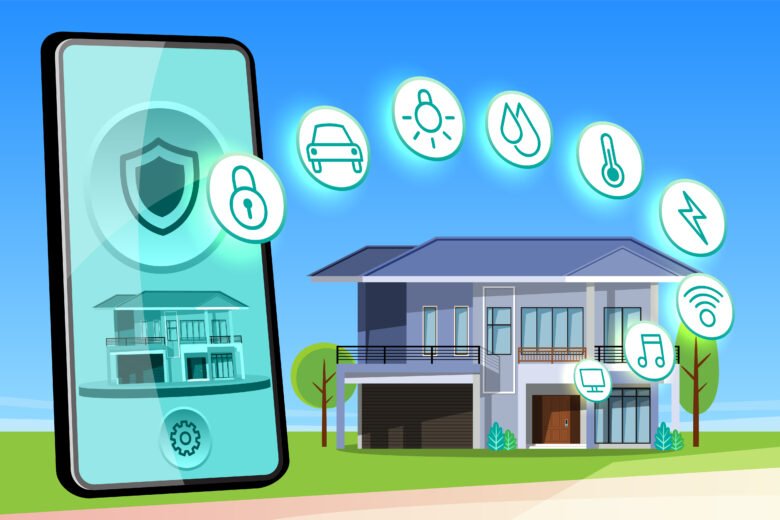
Smart home security systems have undergone a remarkable transformation over the past decade. They have evolved from basic standalone alarm panels into fully integrated, networked protection ecosystems capable of monitoring and controlling every aspect of a modern household. Today’s systems combine motion sensors, cameras, cloud-based platforms, and artificial intelligence (AI) to safeguard homes, detect environmental …
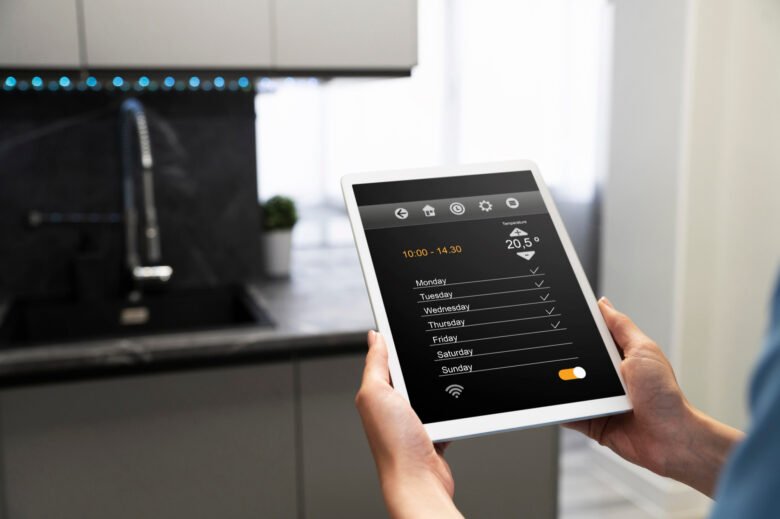
Recently, the integration of network connectivity and embedded computing has transformed traditional home appliances into integral components of broader digital ecosystems. Modern connected appliances—ranging from refrigerators, washing machines, and dishwashers to ovens, HVAC systems, and even small kitchen gadgets—no longer function as isolated machines. Instead, they work together in a connected home network, sharing information with …
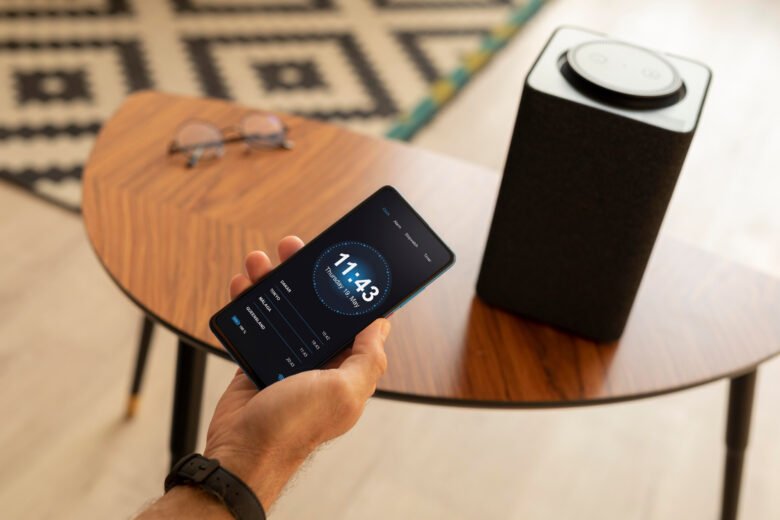
The continuous expansion of digital ecosystems has significantly reshaped how modern households operate. What were once isolated smart devices—such as thermostats, lights, cameras, and appliances—have now evolved into interconnected systems forming sophisticated smart home environments. At the center of this transformation are voice assistants, which act as intelligent control layers connecting users, devices, and cloud-based …

Consider the last time you were cooking a meal. You were probably checking recipes on your phone, adjusting the stove manually, and maybe even guessing whether your food was cooked properly. Now imagine a kitchen that helps you at every step—suggesting recipes, adjusting cooking temperatures automatically, and even reminding you what groceries you need. That’s …
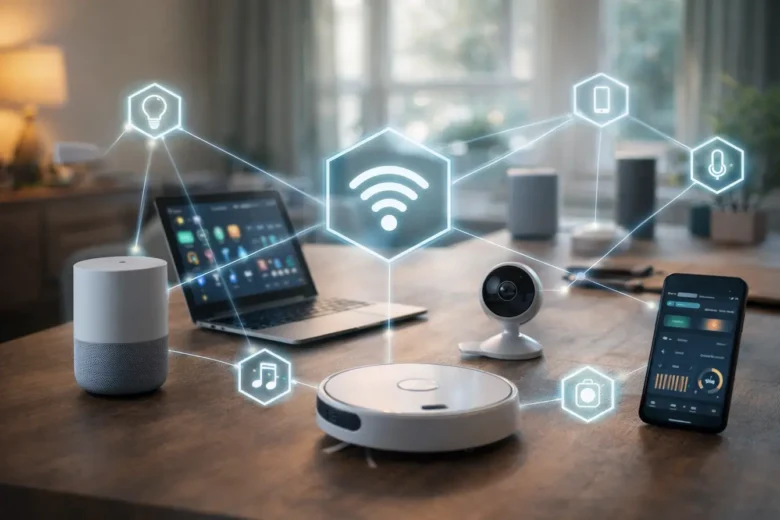
If you’ve ever tried using multiple smart devices in your home, you’ve probably noticed something frustrating — each device often comes with its own app, its own settings, and its own way of working. A smart bulb works in one app, your security camera in another, and your thermostat somewhere else entirely. At first, it …
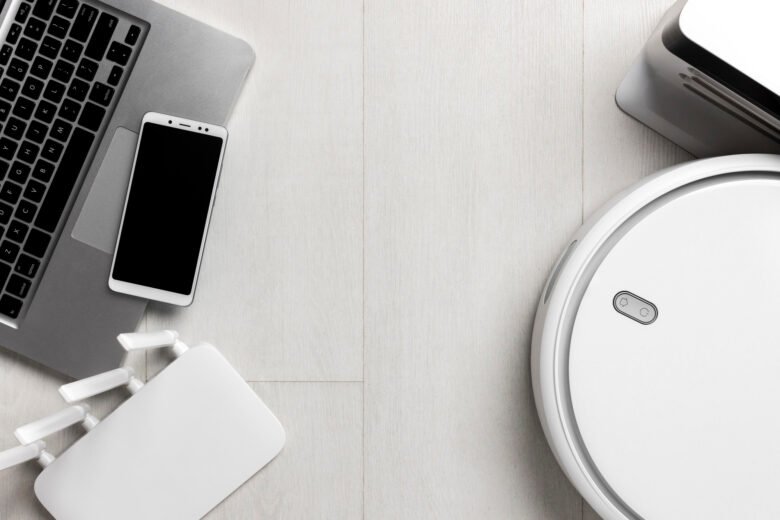
Over homes, workplaces, and urban infrastructures, connected devices have evolved from isolated gadgets to integral components of a continuously digital ecosystem. Smartphones, appliances, vehicles, and infrastructure systems now operate within shared networks that allow them to exchange data in near real time. This evolution didn’t happen overnight—it emerged gradually through the layering of connectivity over …
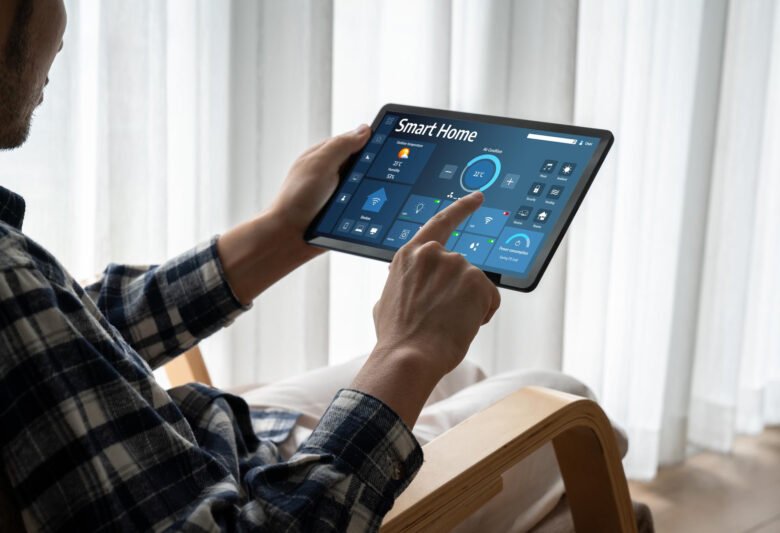
In the modern age, homes are no longer mere shelters; they are becoming dynamic, intelligent environments capable of interacting with both their occupants and broader infrastructure networks. Residential spaces today integrate automation systems, energy management solutions, advanced communication networks, and cybersecurity frameworks to create environments that are adaptive, efficient, and responsive. This transformation is not …
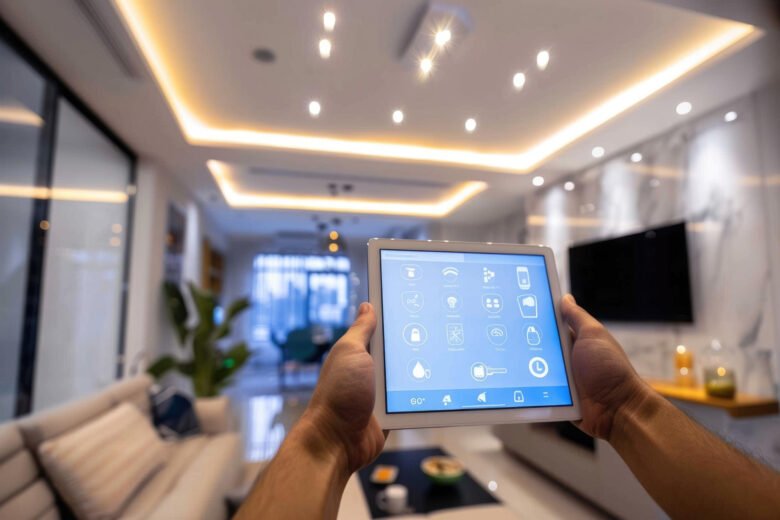
Lighting design has undergone a profound transformation with the integration of digital controls, network connectivity, and advanced sensor technologies. Traditional lighting systems were primarily designed for manual operation, offering limited flexibility and minimal interaction with other building systems. Smart lighting systems, on the other hand, use automation, data analytics, and communication protocols to provide responsive, …

Smart home connectivity advancements have significantly reshaped the monitoring and management of domestic energy consumption. Among these innovations, smart thermostats have emerged as a central interface between homeowners and heating, ventilation, and air conditioning (HVAC) systems. Unlike traditional thermostats that rely on fixed schedules or manual adjustments, smart thermostats integrate sensors, wireless connectivity, and intelligent …

Wearable health technology has evolved into a vital component of the modern digital healthcare ecosystem. These compact, body-worn devices combine advanced sensors, embedded processors, and wireless connectivity to continuously monitor physiological and behavioral data. Wearable devices, ranging from fitness trackers and smartwatches to medical-grade monitoring systems, have gained widespread adoption in personal wellness, clinical care, …