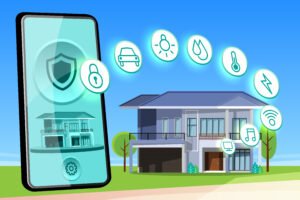

Over homes, workplaces, and urban infrastructures, connected devices have evolved from isolated gadgets to integral components of a continuously digital ecosystem. Smartphones, appliances, vehicles, and infrastructure systems now operate within shared networks that allow them to exchange data in near real time. This evolution didn’t happen overnight—it emerged gradually through the layering of connectivity over pre-existing technologies. Today, communication between devices occurs frequently and often without direct user intervention, fundamentally changing the way we live and interact with technology.
The significance of connected devices lies in how they reshape everyday processes. Smart lighting adjusts to occupancy patterns, vehicles respond to environmental data streams, and personal devices synchronize across different contexts throughout the day. These behaviors rely on a combination of embedded sensors, communication protocols, and data-processing frameworks operating in the background. Rather than functioning as standalone units, devices participate in networks that extend across physical and digital boundaries. Understanding these systems requires looking beyond individual technologies to the structures organizing their behavior within broader environments.
Embedded Connectivity in Daily Environments
Connectivity has become an embedded feature rather than a standalone capability. Devices today are designed with integrated communication modules that enable them to exchange information with other systems by default. This integration is evident in consumer electronics, home appliances, and urban infrastructure, where connectivity is increasingly considered a standard expectation rather than an optional add-on.
Impact on device functionality:
- A smart thermostat, for example, is no longer limited to controlling indoor temperature locally. It integrates with weather services, occupancy sensors, and remote access platforms.
- Devices now operate based on external data streams, influencing their decision-making processes beyond immediate user input.
Design implications for engineers:
- Developers must account for interactions extending beyond the physical boundaries of a single device.
- Communication reliability, latency, and interoperability become critical considerations.
- Devices are designed in layered architectures where local functions are intertwined with network-level behavior.
Communication Protocols and Interoperability Layers
The interaction between connected devices relies on communication protocols defining how data is transmitted and interpreted. These protocols exist at multiple layers, from physical transmission standards to application-level messaging frameworks, ensuring devices with different capabilities and manufacturers can communicate reliably.
Challenges in interoperability:
- Devices often use proprietary protocols that restrict communication with systems outside their ecosystem.
- This fragmentation creates parallel systems that operate independently, reducing overall efficiency.
- Efforts to standardize protocols have introduced common frameworks, but adoption varies across industries.
Managing protocol complexity:
- As device numbers grow, systems must handle multiple protocols simultaneously, translating data formats to maintain compatibility.
- These translation layers add processing overhead and can impact performance and reliability.
- Balancing standardization with innovation continues to shape the evolution of interoperability.
Patterns of Data Exchange Across Devices
Connected devices thrive on continuous data exchange. Sensors collect information on environmental conditions, user behavior, and system status, transmitting it to other devices or centralized platforms. This constant flow enables coordinated actions that surpass the capabilities of individual systems.
Key aspects of data exchange:
- Real-time interactions require rapid processing and immediate responses.
- Periodic updates inform long-term adjustments and optimizations.
- Communication patterns shape overall network behavior, whether peer-to-peer interactions or centralized data processing.
Types of network architectures:
- Peer-to-peer: Devices communicate directly, forming decentralized networks.
- Centralized: Data passes through a central platform that processes and redistributes information.
- Each architecture has trade-offs in latency, scalability, and control.
Connected Home Environments
In domestic settings, connected devices create ecosystems that manage many aspects of daily life. Lighting systems respond to occupancy sensors, security devices integrate with mobile apps, and entertainment systems synchronize across multiple rooms. These interactions are designed for seamless operation, minimizing the need for manual input.
Coordination mechanisms:
- Shared platforms manage communication and control, acting as mediators between devices from different manufacturers.
- These platforms handle data processing, automation rules, and user interface management.
Challenges in home ecosystems:
- Variability in device capabilities and communication standards requires flexible platforms.
- Hybrid approaches combine direct device-to-device communication with platform-based coordination.
Mobile Devices as Central Hubs
Mobile devices occupy a central role in connected environments due to their portability and processing power. They serve as interfaces for users to interact with other connected systems, providing access to control features, data visualization, and communication channels.
Extended role of mobile devices:
- Mobile devices act as intermediaries, facilitating communication between other devices.
- They transmit data, trigger actions, and provide contextual information based on location and usage patterns.
Design considerations:
- Dependence on mobile devices introduces additional layers of reliance.
- Network status, availability, and processing limitations can affect the performance of other connected devices.
- Systems must plan for scenarios when mobile devices are unavailable or operating under constrained conditions.
Industrial and Urban Device Networks
Connected devices operate at larger scales in industrial and urban contexts. Sensor and control networks monitor and manage complex operations, supporting traffic management, energy distribution, and environmental monitoring.
Challenges at scale:
- High data volumes require robust processing and storage.
- Failures have more significant consequences, demanding high reliability and redundancy.
Layered coordination approach:
- Local devices handle immediate responses.
- Centralized platforms oversee broader patterns and long-term optimization.
- This combination balances rapid responsiveness with strategic control.
Latency, Timing, and Real-Time Responsiveness
Timing is crucial in connected systems. Latency—the delay between data transmission and response—can significantly impact device interactions. In autonomous systems or real-time monitoring applications, even minor delays may cause performance issues.
Strategies to reduce latency:
- Edge computing: Processes data closer to its source, reducing reliance on distant servers and enabling faster responses.
- Network optimization: Careful design ensures minimal delays while balancing resource usage.
Balancing latency reduction with system complexity is critical to maintaining effective and reliable device interactions.
Security Layers in Connected Systems
Security is essential in connected networks, as devices exchanging data can be entry points for unauthorized access. Protecting confidentiality and integrity is key to maintaining trust.
Security measures include the following:
- Device authentication
- Data encryption
- Network monitoring
Additional considerations:
- A vulnerability in one device can affect the entire network.
- Comprehensive security requires considering both individual devices and their interactions within the system.
Software Updates and System Evolution
Connected devices are not static; they evolve through software updates that introduce new features, fix vulnerabilities, and improve performance. Updates can modify how devices interact, sometimes enhancing compatibility or creating new dependencies.
Challenges of managing updates:
- Ensuring consistent deployment without disrupting functionality.
- Large-scale systems face increased complexity in updating multiple devices reliably.
Continuous system evolution:
- Adding or replacing devices changes network interaction patterns.
- Adaptive frameworks are necessary to accommodate new components without compromising performance.
Environmental Context and Adaptive Behavior
Connected devices operate in dynamic environments. Factors such as temperature, occupancy, and external conditions influence behavior. Sensors capture contextual data, enabling devices to adapt automatically.
Adaptive behavior advantages:
- Reduces the need for manual intervention
- Optimizes performance based on real-time observations
Challenges:
- Accuracy and reliability of sensor data are critical.
- Poor data quality can lead to incorrect decisions and reduce system effectiveness.
Conclusion
Connected devices have transformed how we interact with technology across homes, workplaces, and urban environments. From embedded connectivity and mobile device hubs to industrial networks and adaptive systems, these devices form ecosystems that function beyond the capabilities of individual components. Designing and managing such systems requires careful consideration of communication protocols, interoperability, latency, security, and software evolution. By understanding these dynamics, users and engineers alike can harness the full potential of connected devices while maintaining reliability and security.
FAQs
1. How do connected devices communicate with each other?
Connected devices use a combination of wired and wireless technologies with defined communication protocols. Devices may exchange data directly or through intermediary platforms depending on network design and speed requirements.
2. What challenges arise from multiple devices in one environment?
Multiple devices can lead to network congestion, interoperability issues, and increased security risks. Managing these challenges requires centralized control, flexible platforms, and secure communication protocols.
3. Why is latency important in connected systems?
Latency affects how quickly devices can respond to environmental changes or input from other devices. Low latency is essential for real-time applications like autonomous systems or critical monitoring.
4. Do connected devices always need the internet to function?
Not all interactions require internet access. Some devices communicate locally within private networks. However, cloud services or remote control features often require internet connectivity.
5. How do software updates affect device networks?
Software updates can enhance functionality, fix vulnerabilities, and alter device interactions. Large networks need coordinated update strategies to avoid disruptions and ensure smooth system evolution.