
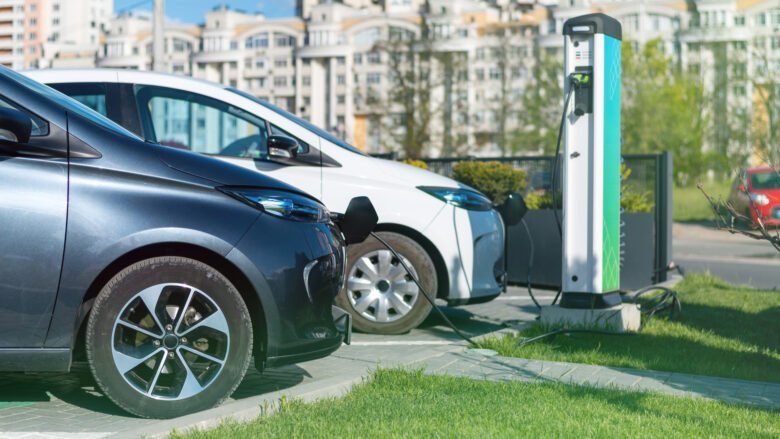
Urban air pollution remains one of the most pressing environmental and public health challenges in modern cities. Dense traffic corridors, industrial zones, and high population density contribute to elevated levels of nitrogen oxides, particulate matter, and carbon dioxide emissions, leading to severe health risks and environmental degradation. Transportation is a significant contributor, particularly in metropolitan areas where internal combustion engine vehicles dominate. As cities explore strategies to reduce pollution, electric vehicles (EVs) have emerged as a pivotal solution, offering a sustainable alternative to traditional vehicles that can dramatically lower localized emissions and improve urban air quality.
However, the environmental impact of EVs extends far beyond what comes out of the tailpipe—or, in this case, what doesn’t. Assessing their full benefits requires examining their lifecycle emissions, energy sourcing, infrastructure requirements, and integration with urban planning and energy grids. EVs do not exist in isolation; they are part of a broader sustainability framework that encompasses renewable energy adoption, energy efficiency, and strategic mobility planning.
Urban Air Quality and Tailpipe Emissions Reduction
One of the most immediate benefits of electric vehicles is their zero tailpipe emissions during operation. Unlike gasoline or diesel vehicles, EVs do not emit nitrogen oxides, volatile organic compounds, or fine particulate matter, which are major contributors to smog formation, respiratory illnesses, and cardiovascular problems. Removing tailpipe emissions from high-traffic urban corridors directly improves air quality, particularly in dense commercial zones and congested intersections, where traditional vehicles tend to accumulate pollutants.
Reduced Particulate Matter
EVs also cut down on particulate emissions in an indirect way by using regenerative braking systems that recover kinetic energy and make less use of friction-based brakes. While tire and road wear still generate some particles, overall particulate emissions are significantly lower compared to internal combustion engine vehicles.
Geographic Distribution of Benefits
The air quality improvements provided by EVs are not uniform. Areas with frequent stop-and-go traffic, such as city centers, experience the most pronounced reductions, while highways with free-flowing traffic see smaller relative gains. Urban air quality models take into account traffic density, stop frequency, and meteorological conditions to project long-term environmental benefits.
However, EVs alone cannot solve all urban mobility issues. Traffic congestion and a high number of vehicle kilometers traveled still affect noise, road wear, and energy demand. Thus, electrification must be integrated with public transit expansion, active mobility options, and smart traffic management to maximize environmental outcomes.
Lifecycle Environmental Impact of Electric Vehicles
While EVs reduce emissions on the road, their manufacturing and energy supply phases also contribute to their environmental footprint. The production of batteries, particularly lithium-ion cells, is energy-intensive, involving mining, refining, and assembly processes. These stages vary in carbon intensity depending on regional energy sources and technological efficiency.
Comparing EVs to Conventional Vehicles
Lifecycle assessments reveal that in regions with low-carbon electricity, EVs generally outperform conventional vehicles in terms of total greenhouse gas emissions over their operational lifetime. In areas heavily reliant on fossil-fueled electricity, the benefits may be smaller initially, but they improve as grids decarbonize through renewable energy adoption.
Role of Renewable Energy
The composition of the electricity grid closely influences the environmental performance of EVs. As more solar, wind, and hydropower enter the energy mix, the carbon intensity of EV charging decreases. Over time, this makes EVs not just cleaner on the road, but also net-positive for climate goals.
Battery Recycling and Secondary Use
Battery recycling and repurposing further enhance the sustainability of electric mobility. Recovering materials such as lithium, cobalt, and nickel reduces the need for virgin mining and preserves resources. Used batteries can also serve as stationary storage units, supporting grid stability and renewable energy integration.
Energy Integration and Grid Management
The widespread adoption of EVs introduces new challenges for energy infrastructure. Charging demand can create peaks in electricity usage, especially during morning and evening hours when residents return home. To manage this, coordinated planning between transportation authorities, utilities, and grid operators is essential.
Smart Charging and Demand Response
Smart charging systems adjust charging times based on grid capacity, electricity pricing, and renewable energy availability. Time-of-use tariffs incentivize charging during off-peak hours, distributing demand more evenly and reducing strain on local distribution networks.
Vehicle-to-Grid Potential
Emerging vehicle-to-grid (V2G) technologies allow EVs to act as distributed energy storage, supplying electricity back to the grid during peak demand. While still in early stages, V2G integration can improve grid resilience, stabilize renewable energy flows, and even provide financial incentives for EV owners.
Infrastructure Expansion
Adopting EVs at scale requires robust infrastructure, including:
- Public charging stations for commercial areas
- Residential upgrades for multi-unit dwellings
- Reinforced distribution networks to handle higher loads
Urban planners must also consider equitable access, ensuring charging availability in both residential neighborhoods and commercial hubs. Combining EV adoption with rooftop solar or other renewable installations enhances energy security and further reduces emissions.
Policy Frameworks and Urban Environmental Planning
Government policies play a crucial role in accelerating EV adoption and supporting urban air quality initiatives. Financial incentives, emissions regulations, and infrastructure investments can stimulate market uptake while aligning transportation electrification with broader environmental goals.
Low-Emission Zones
Many cities have introduced low-emission zones, restricting high-polluting vehicles in sensitive areas. These measures accelerate fleet transitions to cleaner alternatives, creating immediate localized air quality benefits.
Public Procurement and Incentives
Government procurement programs often prioritize EVs for public fleets, signaling institutional commitment to emissions reduction. Subsidies, tax credits, and preferential parking can influence consumer behavior and fleet composition, amplifying adoption rates.
Integrated Mobility Planning
EVs are most effective when part of a comprehensive urban mobility strategy. This strategy includes:
- Expansion of mass transit systems
- Safe cycling and pedestrian infrastructure
- Traffic demand management policies
By addressing both emissions and overall mobility demand, cities can maximize the environmental benefits of electrification.
Long-Term Environmental and Economic Implications
The adoption of EVs generates both environmental and economic benefits. Improved air quality can reduce healthcare costs by lowering the incidence of respiratory diseases. Urban areas with cleaner air often see fewer hospitalizations and associated public health expenditures.
On the economic side, investment in battery manufacturing, charging infrastructure, and renewable energy creates employment opportunities and stimulates technological innovation. However, the benefits depend on regional industrial capacity, resource availability, and sustainable supply chain practices.
Sustainable Resource Management
Battery production relies on finite minerals, highlighting the importance of responsible mining, supply chain transparency, and recycling technologies. Ensuring sustainable material practices aligns EV adoption with broader environmental and social goals.
Resilience and Energy Security
Electric transportation systems paired with renewable energy infrastructure improve energy diversification and resilience, reducing dependence on fossil fuels. However, increased reliance on electricity illustrates the importance of robust grid management, disaster preparedness, and infrastructure investment.
The Road Ahead: EVs in Sustainable Urban Futures
The environmental impact of electric vehicles depends on multiple interconnected factors, including grid decarbonization, technological innovation, urban planning, and policy frameworks. As cities pursue climate mitigation and air quality goals, EVs serve as a structural element within a holistic, multi-sectoral sustainability strategy.
Future urban mobility will increasingly integrate the following:
- Renewable energy generation and storage
- Smart grid and charging technologies
- Coordinated transportation planning
- Lifecycle-based environmental assessments
By embedding EVs within a broader sustainability framework, cities can achieve substantial reductions in emissions, improved public health, and more resilient energy systems. Electric mobility is not a standalone solution but a catalyst for transforming urban infrastructure toward cleaner, smarter, and healthier communities.
FAQs
1. Do electric vehicles eliminate urban air pollution?
No, while EVs reduce tailpipe emissions, urban air quality also depends on traffic volume, industrial sources, and energy generation. Comprehensive strategies combining electrification, public transport, and active mobility are required.
2. How does the electricity source affect the environmental impact of EVs?
The carbon intensity of the electricity grid significantly affects EV sustainability. Renewable energy use lowers lifecycle emissions, whereas coal-based electricity reduces environmental benefits.
3. What is vehicle-to-grid technology?
Vehicle-to-grid allows EVs to return stored electricity to the grid, helping balance energy supply during peak demand and integrating renewables more effectively.
4. Are there economic benefits to adopting EVs?
Yes, benefits include reduced healthcare costs, job creation in energy and transportation sectors, and investment in infrastructure and renewable energy.
5. How can cities maximize EV environmental benefits?
By integrating EVs into public transit expansion, renewable energy use, smart charging, and traffic management policies, cities can ensure meaningful emissions reductions and healthier urban environments.