Reducing energy consumption at home is no longer just about turning off lights or using appliances less.
Today, technology provides smarter and more efficient methods for managing energy usage in your home. Instead of relying on memory or manual effort, you can use smart systems that automatically adjust, monitor, and optimize energy usage.
The result is not just lower electricity bills but also a more comfortable and efficient living environment.
Many homeowners are unaware of how much energy is wasted daily due to inefficient usage patterns. The good news is that even small changes, when powered by the right technology, can make a noticeable difference.
In this guide, you will learn practical ways to reduce home energy consumption using technology without making your daily life complicated.
Why Energy Consumption Matters More Than Ever
Energy costs are rising, and inefficient usage leads to unnecessary expenses.
But it is not just about cost.
High energy consumption also impacts:
- Environmental sustainability
- Device efficiency
- Long-term maintenance costs
Understanding how energy is used in your home is the first step toward reducing it.
If you want to explore modern energy systems in more detail, you can read What Are Smart Grids And Why They Matter For Clean Energy.
How Technology Helps Reduce Energy Consumption
Technology improves energy efficiency in three key ways:
- Automation
- Monitoring
- Optimization
Instead of guessing where energy is wasted, you can track and control it in real time.
Smart Devices That Help Reduce Energy Usage
Smart Lighting Systems
Lighting is one of the simplest areas to improve.
Smart lighting allows you to:
- Schedule usage
- Control lights remotely
- Use energy-efficient bulbs
For a deeper understanding, check Smart Lighting Systems And Their Practical Benefits In Modern Buildings.
Smart Thermostats
Heating and cooling systems consume a large portion of household energy.
Smart thermostats:
- Adjust temperature automatically
- Reduce usage when you are not home
- Maintain optimal settings
Smart Plugs
Smart plugs help eliminate unnecessary power consumption.
They allow you to:
- Turn off devices remotely
- Schedule usage
- Monitor energy consumption
Energy Monitoring Systems
These systems provide real-time data about how much energy your home is using.
They help you:
- Identify high-consumption devices
- Track usage patterns
- Make better decisions
Smart Appliances
Modern appliances are designed for efficiency.
Examples include:
- Smart air conditioners
- Energy-efficient refrigerators
- Smart washing machines
These devices optimize performance and reduce waste.
Practical Ways to Reduce Energy Consumption Using Technology
Automate Daily Energy Usage
Automation ensures that devices only operate when needed.
For example:
- The lights turn off automatically
- Temperature adjusts based on your schedule
This reduces unnecessary usage without requiring manual effort.
Monitor and Control Usage in Real Time
Energy monitoring tools give you visibility into your consumption.
You can quickly identify:
- Which devices use the most energy
- When energy usage is highest
This allows you to make immediate adjustments.
Optimize Heating and Cooling
Heating and cooling systems are major contributors to energy usage.
Using smart thermostats helps:
- Maintain efficient temperatures
- Avoid overuse
- Reduce energy waste
Eliminate Standby Power
Many devices consume electricity even when not in use.
Smart plugs can cut off power completely, reducing hidden consumption.
Schedule Appliance Usage
Running appliances at the right time can improve efficiency.
For example:
- Schedule washing machines during low usage hours
- Turn off devices automatically at night
Combining Smart Technology with Renewable Energy
Technology becomes even more powerful when combined with renewable energy solutions.
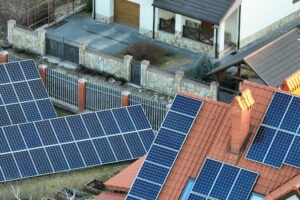
For example, solar energy can reduce reliance on grid electricity.
To understand how solar systems work, read How Solar Energy Works at Home Beginner Guide.
This combination can significantly lower overall energy consumption.
Common Mistakes That Increase Energy Consumption
Not Using Automation Features
Manual control is less efficient than automated systems.
Ignoring Energy Monitoring
Without tracking, it is difficult to improve usage.
Poor Smart Home Setup
An incorrect setup can reduce efficiency.
Avoid common errors by reading Common Smart Home Setup Mistakes And How to Fix Them.
Using Outdated Devices
Older appliances consume more energy.
Upgrading to efficient devices can reduce consumption.
How to Keep Your Smart Energy System Secure
Secure Your Wi-Fi Network
Smart devices rely on your internet connection.
An unsecured network can affect performance and safety.
Follow How to Secure Your Home Wi Fi Network Step by Step Guide.
Use Strong Passwords
Each device should have a unique password.
Enable Security Features
Enable available security options such as two-factor authentication.
Learn more in Two Factor Authentication Strengthening Online Account Protection.
Keep Devices Updated
Updates improve both security and efficiency.
Benefits of Reducing Energy Consumption Using Technology
Lower Electricity Bills
Efficient usage leads to noticeable cost savings.
Increased Comfort
Automation improves convenience and comfort.
Better Device Performance
Efficient usage extends device lifespan.
Environmental Benefits
Reduced energy consumption supports sustainability.
Budget-Friendly Ways to Get Started
You do not need a large investment to begin.
Start with:
- Smart bulbs
- Smart plugs
- Basic monitoring tools
As you see results, you can expand your system.
If you are just starting, you can follow Beginner’s Guide to Building a Smart Home on a Budget.
Frequently Asked Questions
Can technology really reduce home energy consumption?
Yes, smart devices optimize usage and reduce waste.
Which device saves the most energy?
Smart thermostats and energy monitoring systems have the biggest impact.
Is it expensive to use smart technology?
You can start with low-cost devices and expand gradually.
How quickly can I see results?
Some improvements can be seen within the first month.
Do I need a full smart home system?
No, even small upgrades can make a difference.
Conclusion
Reducing home energy consumption is not about making your life more difficult. It is about making it smarter.
Technology gives you the tools to control, monitor, and optimize how energy is used in your home. Instead of relying on manual effort, you can create a system that works automatically in the background.
The key is to start simple, focus on practical improvements, and expand gradually.
With the right approach, you can reduce your energy usage, lower your bills, and create a more efficient home without unnecessary complexity.
In the long run, smart energy management is not just a cost-saving strategy. It is a smarter and more sustainable way to live.