
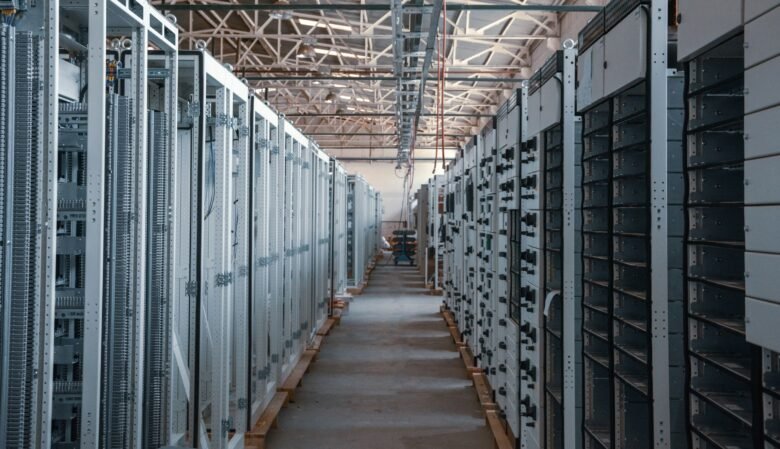
The Invisible Systems Powering Everyday Digital Life
The technology platforms we use daily rarely reveal the complexity operating beneath their polished interfaces. Apps open instantly, videos stream smoothly, and cloud services sync data in seconds. To the average user, everything appears effortless and seamless. Yet behind this simplicity lies an intricate network of systems coordinating data, computation, and communication across global infrastructure.
These platforms operate at an enormous scale. Even minor inefficiencies can grow into measurable disruptions when millions of users interact simultaneously. For this reason, platform architecture has become a defining factor in performance, reliability, and long-term stability. What feels simple on the surface is often the result of carefully managed complexity spread across hardware, software, and networking environments.
As digital platforms continue to expand, they must support fluctuating demand, diverse user behavior, and continuous data generation. Their internal structure reflects technical requirements alongside operational priorities such as cost efficiency, latency tolerance, and geographic distribution. Understanding how these systems are designed reveals how platforms remain stable despite constant change.
Why Modern Platforms Must Be Built for Scale and Change
Digital platforms today operate in environments defined by variability. Traffic can surge unexpectedly, user behavior shifts rapidly, and new features must be released continuously. Platforms must therefore be designed not only for performance but also for adaptability.
Several pressures shape platform architecture:
• Growing user bases across global regions
• Continuous data creation and storage demands
• Need for fast feature deployment
• Cost optimization and resource efficiency
• Increasing security and compliance requirements
As platforms grow, additional layers of infrastructure emerge to manage specialization, redundancy, and scalability. These layers interact constantly, shaping overall system behavior. This constant evolution is what allows platforms to stay reliable while operating in unpredictable environments.
Layered Architecture and Functional Separation
One of the most fundamental principles behind modern platforms is layered architecture. Instead of building a single monolithic system, engineers divide responsibilities into distinct layers.
Typical layers include the following:
• Presentation layer (user interface)
• Application logic layer
• Data management layer
• Infrastructure and networking layer
This separation allows each layer to evolve independently. Updates to the user interface, for example, do not require rebuilding the entire platform. This modularity makes systems easier to maintain and scale.
However, layered design also introduces dependencies. If one layer slows down, the effects ripple across the entire platform. Careful coordination between layers is essential to maintain performance and avoid bottlenecks.
Distributed Computing: Power Beyond a Single Machine
Modern platforms rarely rely on a single server. Instead, they use distributed computing, where tasks are spread across multiple machines working together.
This approach provides several advantages:
• Improved reliability through redundancy
• Ability to process massive workloads
• Faster response times for global users
• Better fault tolerance during hardware failures
Load balancing plays a key role here. It ensures that no single machine becomes overwhelmed. If one server fails, others automatically take over, keeping services running smoothly.
However, distributed computing introduces new challenges—especially maintaining consistent data across multiple systems. Engineers must carefully design synchronization strategies to ensure accuracy without sacrificing speed.
Data Storage Models and Access Patterns
Data is the backbone of modern platforms. From user accounts to real-time analytics, platforms must store and retrieve massive amounts of information efficiently.
Today’s platforms use a combination of storage models:
• Relational databases for structured data
• Distributed storage systems for large-scale datasets
• Object storage for media and files
• Caching systems for rapid access
The way users interact with data influences how it is stored. Platforms that prioritize fast reads optimize for quick retrieval. Systems handling frequent updates focus on efficient data writing.
Storage systems must also evolve continuously. As platforms grow, data may be migrated, reorganized, or replicated to maintain performance and reliability.
APIs: The Connective Tissue of Modern Platforms
Application Programming Interfaces (APIs) act as bridges between services. They allow different parts of a platform—and even external systems—to communicate seamlessly.
API gateways handle:
• Request routing
• Authentication and authorization
• Rate limiting and traffic control
• Monitoring and analytics
APIs enable platforms to function as collections of interconnected services rather than a single monolithic system. This flexibility allows teams to build, update, and deploy services independently.
However, API complexity grows over time. Version management, compatibility, and performance monitoring become essential to avoid disruptions.
Microservices: Breaking Down the Monolith
Many modern platforms have moved from monolithic architecture to microservices. Instead of one large application, platforms are split into smaller, independent services.
Benefits of microservices include:
• Faster development cycles
• Independent scaling of components
• Improved fault isolation
• Easier technology upgrades
Each microservice focuses on a single function and communicates with others through APIs. This modular approach allows teams to innovate faster while maintaining platform stability.
But microservices also introduce challenges. Monitoring becomes more complex, and communication between services must be carefully managed to prevent system failures.
Network Infrastructure and Latency Management
Network performance is central to user experience. Latency—the time it takes data to travel from source to destination—directly affects how fast a platform feels.
Key strategies for reducing latency include:
• Content Delivery Networks (CDNs) to bring data closer to users
• Optimized routing paths
• Efficient data compression
• Strategic server placement worldwide
Latency considerations influence architectural decisions, including where services are hosted and how data is processed. Balancing speed, cost, and complexity is an ongoing challenge.
Observability: Understanding System Behavior in Real Time
Observability provides visibility into how platforms operate internally. It involves collecting and analyzing data such as the following:
• Metrics (performance indicators)
• Logs (system events)
• Traces (request journeys across services)
Monitoring tools use this data to detect anomalies and potential issues early. This is critical in distributed environments where problems in one component can affect the entire system.
Historical analysis also helps platforms improve over time, enabling long-term optimization and better planning.
Security Across Every Layer
Security is integrated into every layer of modern platform architecture. Threats can emerge from many sources, making multi-layered protection essential.
Security measures include the following:
• Encryption for data in transit and at rest
• Identity and access management systems
• Application vulnerability testing
• Network security controls
Balancing security with usability is critical. Excessive restrictions can harm performance and user experience, while weak protections increase risk.
Continuous monitoring and updates ensure platforms remain resilient against evolving threats.
Scaling Mechanisms and Resource Allocation
As platforms grow, they must scale efficiently. Two primary scaling strategies are used:
• Horizontal scaling: Adding more machines
• Vertical scaling: Increasing the power of existing machines
Resource allocation systems dynamically adjust computing power, storage, and network capacity based on demand.
Efficient scaling reduces costs while maintaining performance. Over-provisioning wastes resources, while under-provisioning risks outages. Achieving the right balance is essential.
Platform Evolution and Continuous Adaptation
Technology platforms are never static. They evolve in response to:
• Technological innovation
• Changing user expectations
• Emerging security threats
• Business growth
Legacy systems are gradually replaced with modern solutions. Transitional architectures often combine old and new technologies, creating hybrid environments.
This evolution reflects the constant balance between stability and innovation. Platforms must remain reliable while continuously improving.
The Interconnected Nature of Modern Platforms
Modern platforms function as ecosystems rather than isolated systems. Infrastructure, data, services, and networks all interact in complex ways.
Key characteristics of modern platforms:
• Highly modular and distributed
• Continuously monitored and optimized
• Designed for resilience and scalability
• Built to evolve over time
This interconnected architecture allows platforms to handle global demand while delivering consistent user experiences.
Conclusion
The seamless digital experiences we rely on every day are powered by sophisticated architecture working behind the scenes. From layered design and distributed computing to APIs, microservices, and security frameworks, modern platforms combine multiple technologies to deliver reliability at scale.
These systems are not static structures. They are living ecosystems that evolve continuously in response to changing technology, user behavior, and operational demands. The hidden complexity behind today’s platforms is a testament to the engineering innovation required to keep the digital world running smoothly. Understanding this architecture offers valuable insight into how technology platforms maintain performance, stability, and resilience in an increasingly connected world.
FAQs
1. What is platform architecture in simple terms?
Platform architecture refers to the structure and design of the systems, software, and infrastructure that power digital services and applications.
2. Why do modern platforms use distributed computing?
Distributed computing allows platforms to handle massive workloads, improve reliability, and provide faster performance for global users.
3. What are microservices, and why are they important?
Microservices are small, independent services that work together. They improve scalability, flexibility, and development speed.
4. How do platforms manage high traffic and sudden demand?
Platforms use load balancing, scaling mechanisms, and global infrastructure to automatically adjust resources based on demand.
5. Why is observability important for technology platforms?
Observability helps engineers monitor system health, detect issues early, and continuously improve performance and reliability.