
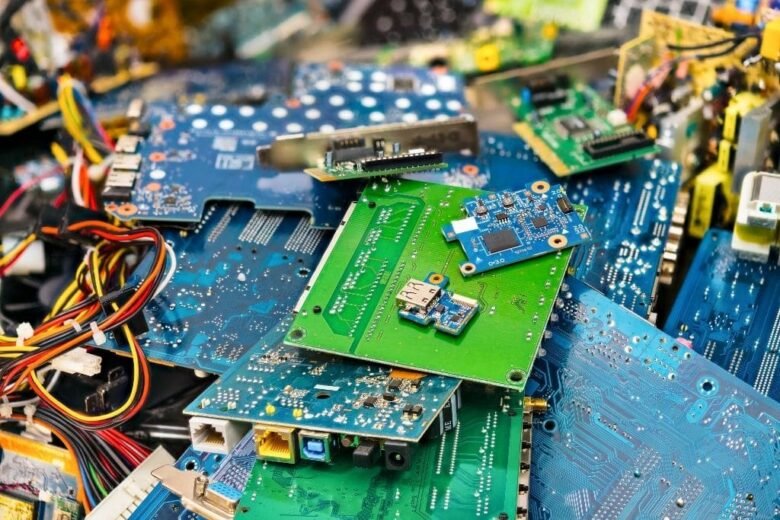
Electronic waste, commonly known as e-waste, has become one of the fastest-growing waste streams in the modern world. The rapid advancement of technology has led to more frequent replacements of devices such as smartphones, laptops, televisions, home appliances, and industrial electronics. While this innovation improves convenience and productivity, it also creates a growing challenge: what …


Hydrogen technology has emerged as a critical component in global clean energy strategies, particularly as countries and industries work toward reducing greenhouse gas emissions and transitioning to low-carbon systems. Unlike fossil fuels, hydrogen does not emit carbon dioxide when used in fuel cells or combustion processes, making it a promising option for decarbonizing sectors where …

If you’ve ever used email suggestions that complete your sentences, reminders that seem to know what you forgot, or task apps that organize your day automatically, you’ve already experienced artificial intelligence in action. Personal productivity tools have evolved significantly from basic to-do lists and calendars. Today, artificial intelligence (AI) powers them, helping users manage time, …

Take a moment to think about how your smartphone works. It adjusts brightness automatically, tracks your steps, rotates the screen when you tilt it, and even unlocks using your face or fingerprint. Behind all these features is one powerful concept: sensors. Sensors are the invisible backbone of modern electronic devices. They allow devices to “sense” …

Consider the last time you were cooking a meal. You were probably checking recipes on your phone, adjusting the stove manually, and maybe even guessing whether your food was cooked properly. Now imagine a kitchen that helps you at every step—suggesting recipes, adjusting cooking temperatures automatically, and even reminding you what groceries you need. That’s …
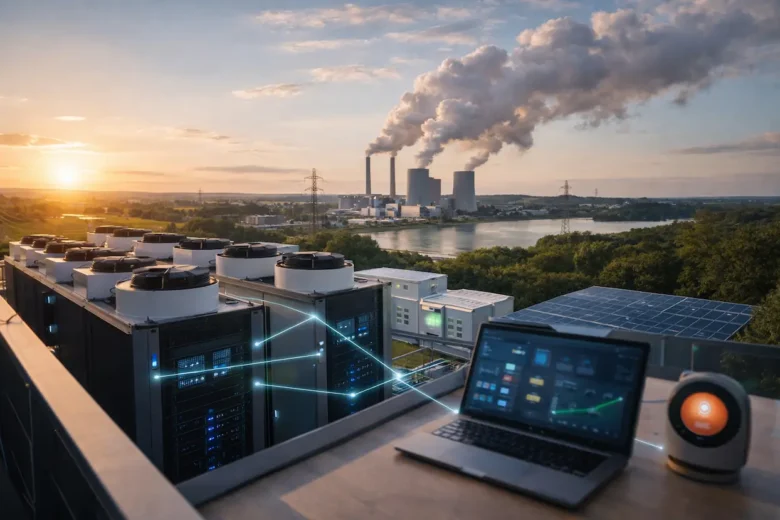
Every time you stream a video, send an email, store files in the cloud, or use an online app, there’s something working behind the scenes — a data center. These facilities are the backbone of the digital world, handling everything from websites to artificial intelligence systems. But as digital usage continues to grow, so does …
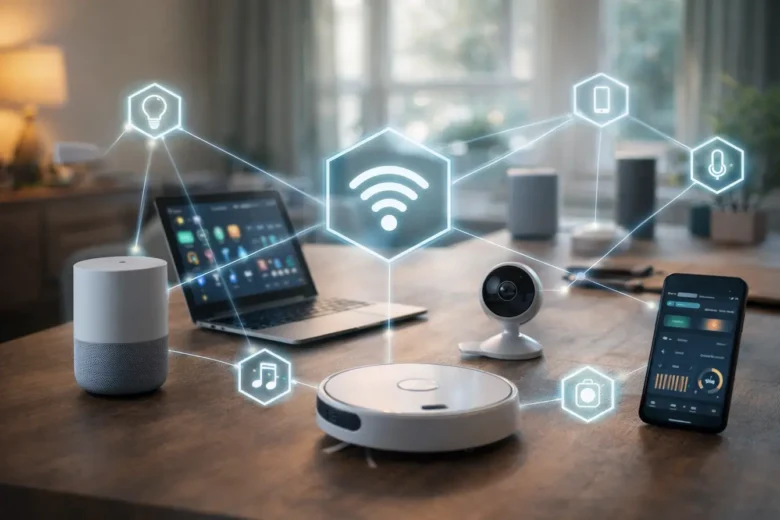
If you’ve ever tried using multiple smart devices in your home, you’ve probably noticed something frustrating — each device often comes with its own app, its own settings, and its own way of working. A smart bulb works in one app, your security camera in another, and your thermostat somewhere else entirely. At first, it …

Online shopping has become a normal part of everyday life. From ordering groceries to buying electronics, most people rely on digital platforms for convenience. But while online shopping saves time and effort, it also raises a serious concern: Is your personal and payment information truly safe? Every time you enter your card details or save …

In today’s digital world, almost everything we do depends on online accounts. From banking and shopping to emails and work platforms, we rely heavily on usernames and passwords to access important services. But here’s the problem: passwords alone are no longer enough to keep your accounts safe. Cyber threats have become more advanced, and attackers …
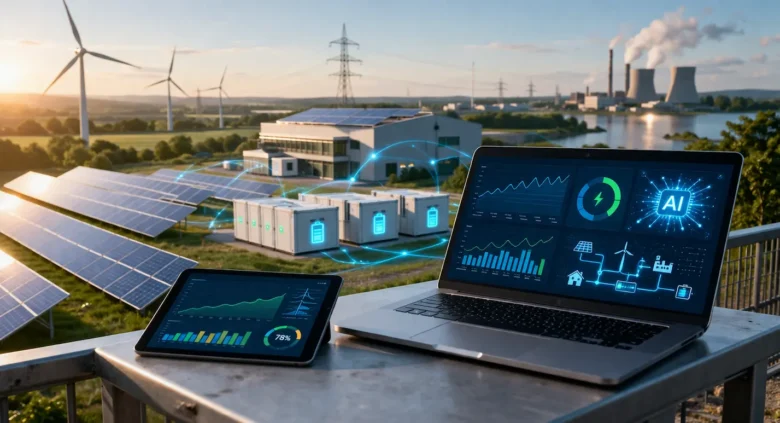
Energy use is something most of us don’t think about until bills go up or systems stop working properly. But behind the scenes, managing energy has become far more complex than simply producing and consuming electricity. With rising global demand and increasing pressure to reduce environmental impact, traditional energy systems are no longer enough. This …