
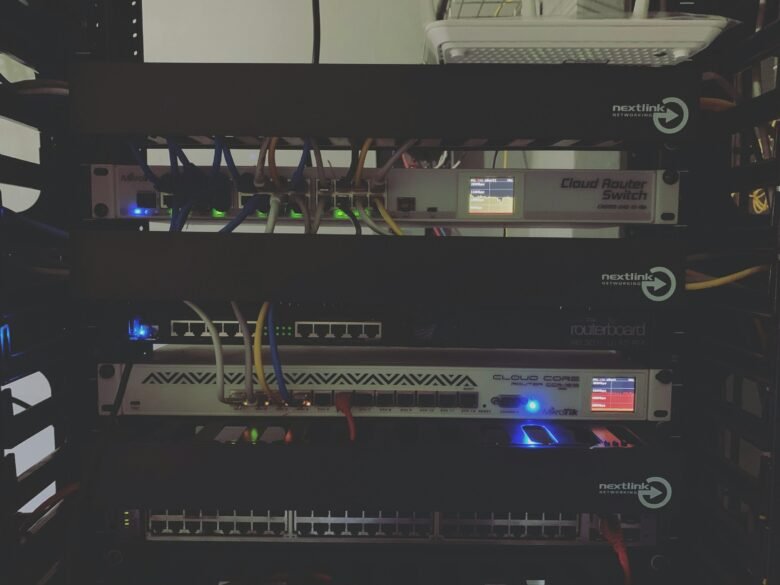
Modern digital life depends on a constant flow of information moving quietly behind the scenes. Every message you send, every video you stream, every online purchase you make relies on complex systems that move data across devices, networks, and continents in seconds. This flow feels effortless from the user’s perspective, but underneath that simplicity exists …

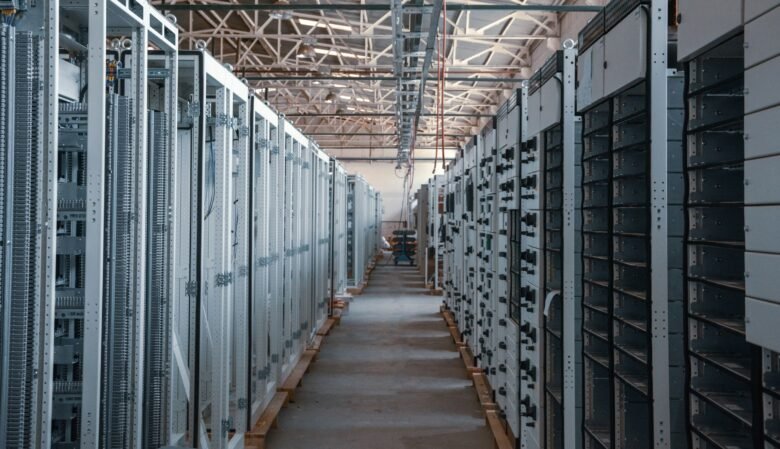
The Invisible Systems Powering Everyday Digital Life The technology platforms we use daily rarely reveal the complexity operating beneath their polished interfaces. Apps open instantly, videos stream smoothly, and cloud services sync data in seconds. To the average user, everything appears effortless and seamless. Yet behind this simplicity lies an intricate network of systems coordinating …

Over homes, workplaces, and urban infrastructures, connected devices have evolved from isolated gadgets to integral components of a continuously digital ecosystem. Smartphones, appliances, vehicles, and infrastructure systems now operate within shared networks that allow them to exchange data in near real time. This evolution didn’t happen overnight—it emerged gradually through the layering of connectivity over …

The modern electric grid was originally designed for predictable, centralized power generation. Traditional power plants deliver electricity with precise timing, balancing supply and demand in real-time. However, the rapid expansion of renewable energy has introduced a new operational reality shaped by variability, geographic dispersion, and decentralized generation. This transformation has not only redefined the production …

Quantum computing has moved from theoretical research into a strategic technology, influencing how governments, research institutions, and tech companies approach long-term digital infrastructure. Unlike classical computers, which process information using bits (0s and 1s), quantum computers leverage quantum mechanical principles to solve certain problems in fundamentally different ways. This isn’t just about speed—it’s about enabling …

Wireless communication has evolved through successive generations, each bringing faster speeds, lower latency, and broader connectivity. As 5G networks continue to roll out globally, researchers and industry leaders are already shaping the vision and technical framework for the sixth generation of wireless systems, commonly referred to as 6G. Although we anticipate commercial deployment in the …

Robotics has evolved from isolated automation systems into a broad technological ecosystem that significantly impacts multiple sectors, including advanced manufacturing and modern healthcare. With advancements in sensors, artificial intelligence (AI), machine vision, and adaptive control systems, robots can now perform tasks with unprecedented precision, flexibility, and reliability. Today, robotics is no longer limited to repetitive …

In the modern age, homes are no longer mere shelters; they are becoming dynamic, intelligent environments capable of interacting with both their occupants and broader infrastructure networks. Residential spaces today integrate automation systems, energy management solutions, advanced communication networks, and cybersecurity frameworks to create environments that are adaptive, efficient, and responsive. This transformation is not …

Urban air pollution remains one of the most pressing environmental and public health challenges in modern cities. Dense traffic corridors, industrial zones, and high population density contribute to elevated levels of nitrogen oxides, particulate matter, and carbon dioxide emissions, leading to severe health risks and environmental degradation. Transportation is a significant contributor, particularly in metropolitan …

Digital connectivity has become deeply embedded in everyday life. Personal communication, financial transactions, remote work, entertainment, and home management increasingly rely on internet-enabled devices and cloud-based services. Smartphones, laptops, smart home systems, and wearable technologies constantly exchange data across global networks. While this connectivity enables efficiency and convenience, it also expands exposure to cyber threats …