

Modern digital systems operate under constant monitoring by regulators, cybersecurity experts, and industry oversight bodies. Financial networks, healthcare platforms, energy grids, communication systems, and cloud computing environments all rely on software layers that evolve faster than the underlying hardware. Stability is no longer about systems that don’t change in today’s world. Operational resilience increasingly depends …


The global transition toward renewable energy sources has introduced transformative changes in electricity generation and delivery systems. Solar, wind, and other renewable technologies provide lower operational emissions compared to conventional fossil-fuel power plants. However, their variable output presents new challenges for grid management. Traditional power systems were designed around centralized, dispatchable generation units, capable of …

Domestic energy storage systems have become an increasingly vital component of modern electricity infrastructure, particularly in regions experiencing rapid growth in distributed renewable energy generation. As rooftop solar installations expand and electricity demands evolve, homeowners seek greater control over energy consumption, adaptability during outages, and optimized use of time-based electricity pricing. Energy storage technologies enable …
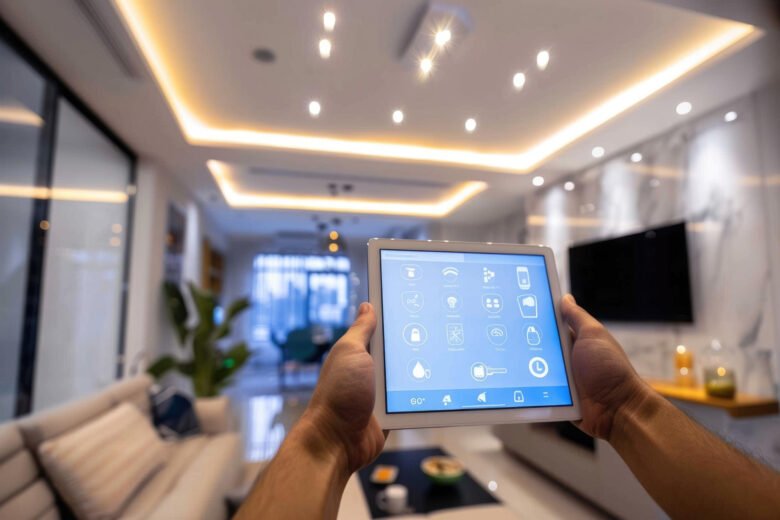
Lighting design has undergone a profound transformation with the integration of digital controls, network connectivity, and advanced sensor technologies. Traditional lighting systems were primarily designed for manual operation, offering limited flexibility and minimal interaction with other building systems. Smart lighting systems, on the other hand, use automation, data analytics, and communication protocols to provide responsive, …

Augmented reality (AR) is a cutting-edge technology that blends digital information with the real world, overlaying images, sounds, and spatial cues on top of what we see. Unlike virtual reality, which creates fully digital environments, AR keeps our physical surroundings visible while enhancing them with interactive, contextually relevant data. From its experimental beginnings, AR has …

Smart home connectivity advancements have significantly reshaped the monitoring and management of domestic energy consumption. Among these innovations, smart thermostats have emerged as a central interface between homeowners and heating, ventilation, and air conditioning (HVAC) systems. Unlike traditional thermostats that rely on fixed schedules or manual adjustments, smart thermostats integrate sensors, wireless connectivity, and intelligent …

Wearable health technology has evolved into a vital component of the modern digital healthcare ecosystem. These compact, body-worn devices combine advanced sensors, embedded processors, and wireless connectivity to continuously monitor physiological and behavioral data. Wearable devices, ranging from fitness trackers and smartwatches to medical-grade monitoring systems, have gained widespread adoption in personal wellness, clinical care, …