Domestic energy storage systems have become an increasingly vital component of modern electricity infrastructure, particularly in regions experiencing rapid growth in distributed renewable energy generation. As rooftop solar installations expand and electricity demands evolve, homeowners seek greater control over energy consumption, adaptability during outages, and optimized use of time-based electricity pricing.
Energy storage technologies enable homes to capture electricity generated on-site or drawn from the grid and use it when demand or pricing conditions shift. Unlike traditional backup generators, contemporary home energy storage systems rely on advanced battery technologies integrated with power electronics and digital control platforms. This article explores the architecture, performance, renewable integration, grid interaction, safety considerations, and economic aspects of domestic energy storage systems, highlighting their role in modern power grids.
System Architecture and Core Components
Domestic energy storage systems are typically structured around four core components:
Battery Modules
-
- The battery pack is the core energy reservoir, storing electricity in electrochemical form.
- Lithium-ion batteries dominate due to high energy density, stable discharge characteristics, and long cycle life.
- Alternative chemistries like lithium iron phosphate or emerging solid-state batteries offer benefits in thermal stability and durability.
Inverters
-
- Convert direct current (DC) from batteries into alternating current (AC) compatible with household electrical systems.
- In grid-tied systems, hybrid inverters coordinate energy flows among solar arrays, battery storage, and the utility grid.
- The inverter’s design affects response speed, conversion efficiency, and compatibility with solar equipment.
Battery Management Systems (BMS)
-
- Monitor voltage, temperature, state of charge, and overall battery health.
- Protect against overcharging, overheating, and conditions that could degrade battery performance.
- Enable predictive diagnostics and remote performance monitoring.
Communication Interfaces
-
- Connect storage systems to digital platforms for monitoring and control.
- Allow homeowners and service providers to adjust charging schedules, observe energy patterns, and participate in demand response programs.
- Use secure protocols to protect data integrity and ensure safe grid integration.
Performance Metrics and Functional Characteristics
Evaluating the performance of domestic energy storage systems requires attention to technical and operational metrics:
- Capacity: Measured in kilowatt-hours (kWh), it represents the total energy the system can store.
- Power Rating: Measured in kilowatts (kW), it defines how quickly stored energy can be delivered to household loads.
- Round-Trip Efficiency: Indicates the percentage of energy retained after charging and discharging cycles. Higher efficiency reduces energy losses.
- Cycle Life: Refers to the number of full charge/discharge cycles a battery can undergo before its capacity drops to approximately 80% of the original.
- Response Time & Ramp Rate: Critical for grid-interactive operations, allowing rapid adjustments to voltage fluctuations or frequency regulation.
Additional considerations include environmental impacts such as temperature, installation location, and partial versus deep discharge cycles, all of which influence performance and longevity.
Integration with Renewable Energy Systems
Energy storage systems work best when integrated with rooftop solar installations, creating solar-plus-storage configurations.
Key benefits include the following:
- Peak Energy Capture: Excess solar energy during the day can be stored for use during evening hours.
- Cost Optimization: Homeowners can draw stored energy during peak electricity pricing, reducing utility bills.
- Time-of-Use Tariffs: Systems can automatically manage energy usage based on dynamic pricing models.
Hybrid inverters prioritize energy flows between solar panels, batteries, and the grid. Advanced systems may even leverage weather forecasts and historical usage data to predict generation and optimize battery operation.
Regulatory requirements also govern system integration:
- Anti-islanding Protection: Prevents accidental backfeeding of electricity into the grid during outages, safeguarding utility personnel.
- Compliance with Electrical Standards: Ensures proper installation, grounding, and interconnection.
Grid Interaction and Distributed Energy Participation
Beyond individual home benefits, domestic energy storage systems contribute to grid stability and distributed energy resources:
- Virtual Power Plants (VPPs): Aggregated household batteries can form coordinated energy networks, providing grid support during peak demand.
- Demand Response Programs: Homes can adjust charging or discharging schedules in response to grid signals, reducing strain on central generation.
- Frequency Regulation: Advanced batteries respond within milliseconds to grid frequency deviations, helping maintain stable electricity supply.
Key requirements for grid participation include:
- Secure data exchange protocols between homes and utility systems.
- Interoperability standards to integrate multiple manufacturers’ devices.
- Regulatory oversight to ensure performance verification and privacy compliance.
Safety Standards and Installation Considerations
Safety is paramount in domestic energy storage deployment. Systems must comply with electrical, fire safety, and building codes:
- Thermal Management: BMS includes mechanisms to prevent overheating, ensuring safe operation.
- Installation Guidelines: Proper ventilation, spacing, and environmental conditions are critical.
- Professional Installation: Guarantees compliance with wiring, grounding, and protective circuit requirements.
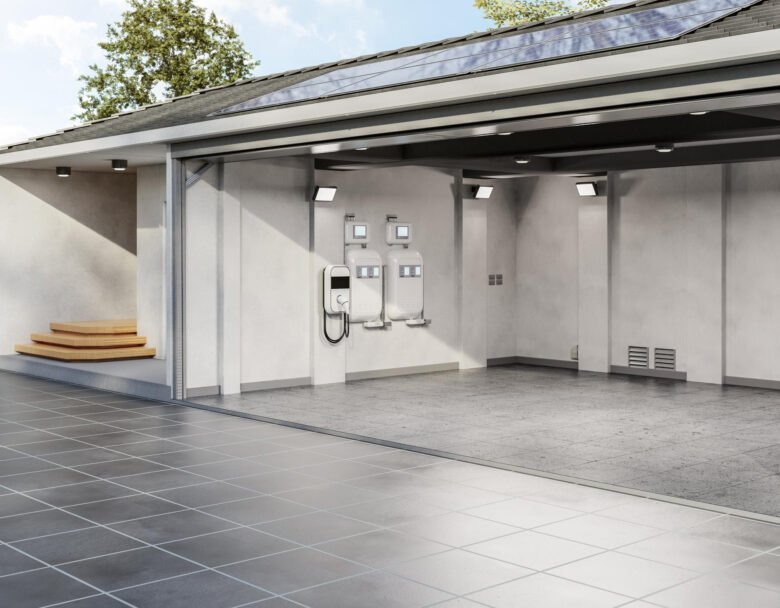
- Optimal Placement: Systems are often installed in garages, utility rooms, or outdoor enclosures to minimize risks from humidity, heat, or physical damage.
Insurance providers and regulators may require certification of proper installation and adherence to safety standards, which reduces liability and operational risks.
Economic Considerations and Lifecycle Management
The financial viability of domestic energy storage depends on capital costs, operational savings, and available incentives:
- Capital Costs: Battery prices have declined due to increased manufacturing scale, making systems more accessible.
- Lifecycle Analysis: Evaluates expected cycle life, efficiency, and degradation over time to estimate long-term return on investment (ROI).
- Policy Incentives: Rebates, tax credits, and performance-based incentives encourage adoption, recognizing storage’s contribution to grid resilience and decarbonization.
- End-of-Life Management: Lithium-ion batteries contain valuable materials that can be recycled, reducing environmental impact and supporting sustainability goals.
Conclusion
Domestic energy storage systems are a crucial component of modern power systems, enabling homes to store, manage, and optimize electricity use. Their architecture integrates battery modules, inverters, BMS, and communication platforms, providing performance metrics such as capacity, efficiency, and cycle life to meet diverse operational needs.
Integration with renewable energy systems enhances self-consumption and cost savings, while participation in grid services supports stability and energy flexibility. Safety standards, regulatory compliance, and lifecycle management ensure reliable and responsible operation.
As electricity grids continue to decentralize and digitize, domestic energy storage will play an increasingly central role in creating resilient, adaptive, and efficient energy ecosystems.
FAQs
1. What are the main benefits of domestic energy storage systems?
They provide backup power during outages, optimize electricity costs through time-of-use tariffs, integrate with solar systems, and support grid stability via demand response and frequency regulation.
2. Which battery types are commonly used in home energy storage?
Lithium-ion batteries are most common due to high energy density, long cycle life, and stable performance. Alternatives include lithium iron phosphate and emerging solid-state technologies.
3. How do energy storage systems integrate with rooftop solar?
Excess solar energy charges the battery during the day. Stored energy is used in the evening or during high electricity pricing periods, maximizing self-consumption and cost savings.
4. Are domestic storage systems safe to use at home?
Yes, when professionally installed and maintained. Safety features include thermal management, BMS monitoring, proper ventilation, and compliance with electrical and fire codes.
5. What factors influence the cost-effectiveness of home energy storage?
Key factors include system capacity, efficiency, battery lifespan, electricity pricing, incentives, and integration with solar or grid services. Lifecycle analysis helps assess long-term ROI.