

The rapid growth of consumer electronics, industrial automation systems, and digital infrastructure has brought increased attention to the materials used in electronic manufacturing. Devices such as smartphones, laptops, data center hardware, and wearable technology rely on complex combinations of metals, polymers, ceramics, and rare earth elements. While these materials enable high performance and innovation, their …
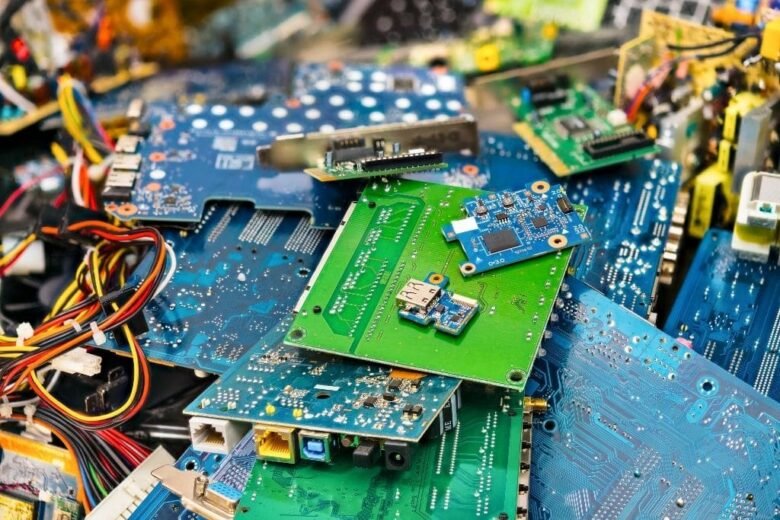
Electronic waste, commonly known as e-waste, has become one of the fastest-growing waste streams in the modern world. The rapid advancement of technology has led to more frequent replacements of devices such as smartphones, laptops, televisions, home appliances, and industrial electronics. While this innovation improves convenience and productivity, it also creates a growing challenge: what …

Hydrogen technology has emerged as a critical component in global clean energy strategies, particularly as countries and industries work toward reducing greenhouse gas emissions and transitioning to low-carbon systems. Unlike fossil fuels, hydrogen does not emit carbon dioxide when used in fuel cells or combustion processes, making it a promising option for decarbonizing sectors where …
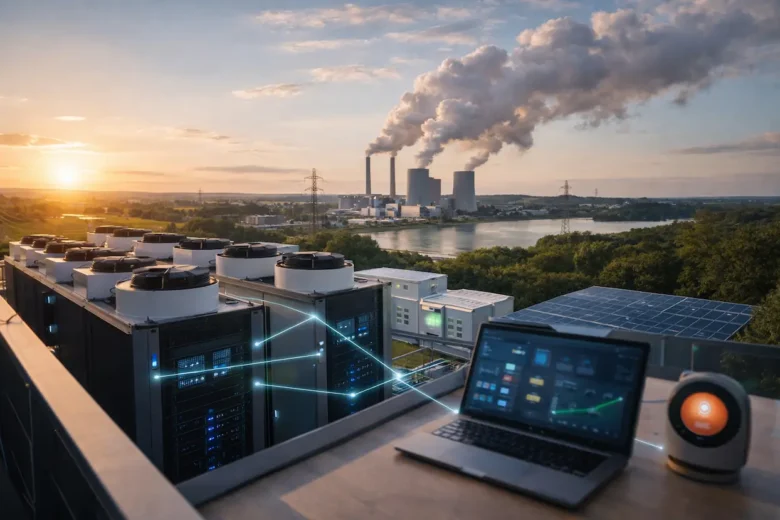
Every time you stream a video, send an email, store files in the cloud, or use an online app, there’s something working behind the scenes — a data center. These facilities are the backbone of the digital world, handling everything from websites to artificial intelligence systems. But as digital usage continues to grow, so does …
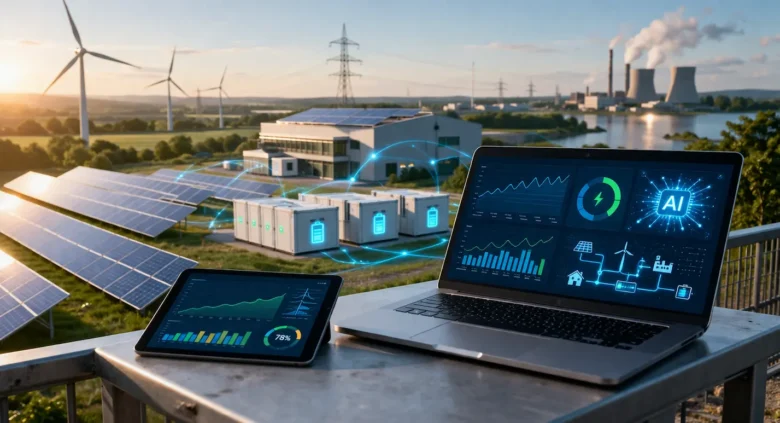
Energy use is something most of us don’t think about until bills go up or systems stop working properly. But behind the scenes, managing energy has become far more complex than simply producing and consuming electricity. With rising global demand and increasing pressure to reduce environmental impact, traditional energy systems are no longer enough. This …
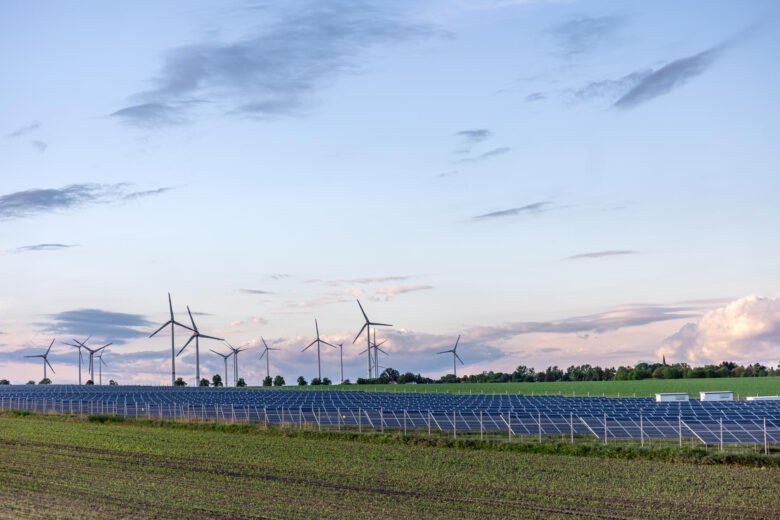
The modern electric grid was originally designed for predictable, centralized power generation. Traditional power plants deliver electricity with precise timing, balancing supply and demand in real-time. However, the rapid expansion of renewable energy has introduced a new operational reality shaped by variability, geographic dispersion, and decentralized generation. This transformation has not only redefined the production …
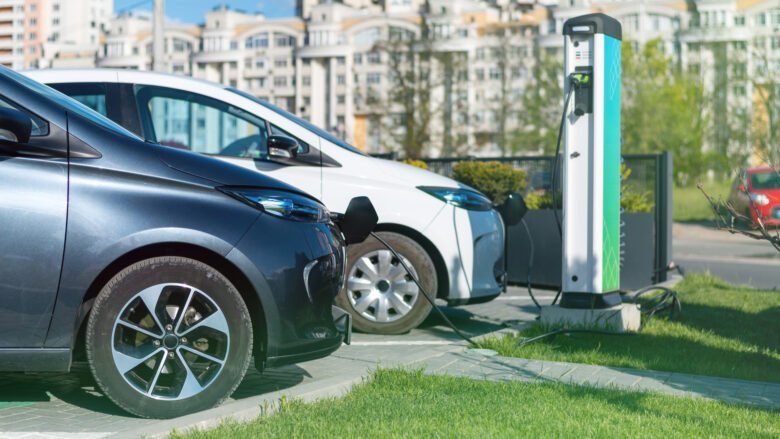
Urban air pollution remains one of the most pressing environmental and public health challenges in modern cities. Dense traffic corridors, industrial zones, and high population density contribute to elevated levels of nitrogen oxides, particulate matter, and carbon dioxide emissions, leading to severe health risks and environmental degradation. Transportation is a significant contributor, particularly in metropolitan …
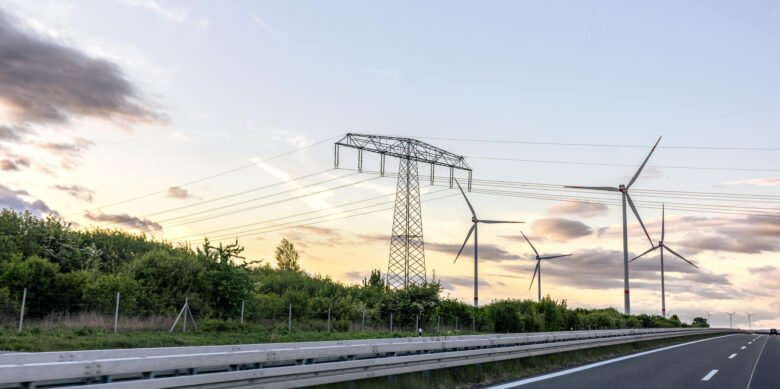
The global transition toward renewable energy sources has introduced transformative changes in electricity generation and delivery systems. Solar, wind, and other renewable technologies provide lower operational emissions compared to conventional fossil-fuel power plants. However, their variable output presents new challenges for grid management. Traditional power systems were designed around centralized, dispatchable generation units, capable of …

Domestic energy storage systems have become an increasingly vital component of modern electricity infrastructure, particularly in regions experiencing rapid growth in distributed renewable energy generation. As rooftop solar installations expand and electricity demands evolve, homeowners seek greater control over energy consumption, adaptability during outages, and optimized use of time-based electricity pricing. Energy storage technologies enable …