
Published: June 5, 2026 | Last Updated: May 30, 2026
I have always been skeptical of robot vacuums. The early models I tried a decade ago bumped randomly around rooms like confused beetles, missed obvious dirt patches, and required more maintenance than simply pushing a manual vacuum myself. The idea of a machine that supposedly cleaned while I worked seemed like a convenience fantasy sold to people who had never actually watched one operate.
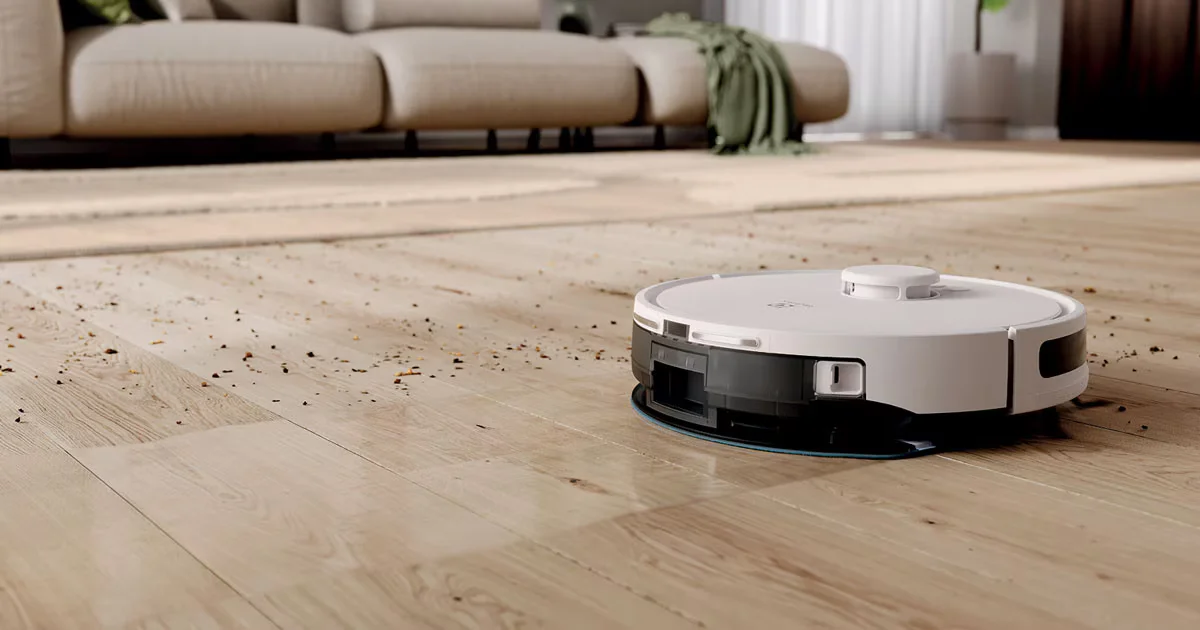
But my living situation changed. A new job meant longer hours. A dog with seasonal shedding meant daily fur accumulation on hardwood floors. A downstairs neighbor complained about vacuum noise after 8 PM, which meant my evening cleaning window had vanished. The math shifted. I bought a Roborock Q Revo, set it up on a Sunday afternoon, and committed to 30 days of documented daily use before forming any conclusion.
What follows is not a spec sheet review. It is a month of actually living with a machine that has become part of my household routine—the improvements I did not expect, the frustrations that persisted, and the honest assessment of whether the convenience justifies the cost and compromise.
The Short Version
After 30 days, my floors were consistently cleaner than when I vacuumed manually, but not because the robot was more thorough. It is more consistent. Daily automated cleaning prevents dirt accumulation rather than reacting to it. The real improvement was mental — one recurring task removed from my cognitive load entirely. The robot does not clean better than me; it cleans more often without requiring my attention.
My Setup and Testing Method
I chose the Roborock Q Revo after researching mid- to high-end options. It features LiDAR navigation, dual spinning mops, an auto-emptying dock, and 5500Pa suction. At $799, it sits below premium models like the Dreame X40 ($1,400) but above budget options like the Eufy 11S ($200) that lack mapping capability.
My home is a 1,200-square-foot, two-bedroom apartment with mixed flooring—60% hardwood, 30% low-pile carpet, and 10% tile. Two occupants, one medium-shedding dog. I tracked four metrics daily:
| Metric | How I Measured | Baseline (Manual) |
|---|---|---|
| Floor cleanliness | Visual inspection + white sock test | Vacuumed 2x weekly, visibly dirty by day 3 |
| Time spent cleaning | Toggl Track timer | 45 min per session, 90 min weekly |
| Dustbin contents | Weighed debris after each run | ~120g per manual session |
| Maintenance time | Cleaning brushes, emptying, troubleshooting | 10 min weekly (bag empty, filter tap) |
Week 1: Mapping and Adjustment
The first week involved more intervention than I expected. The LiDAR mapping was impressive — the robot created an accurate floor plan in its initial run, identifying rooms, obstacles, and furniture positions. But the algorithm needed refinement.
It treated dog toys as permanent obstacles, creating no-go zones around a stuffed duck that moved daily. It wedged under a low coffee table, beeping for rescue until I added a virtual boundary. It struggled with the transition between hardwood and a thick bathroom mat, treating the height difference as a cliff edge.
I spent roughly 30 minutes total configuring no-go zones, room naming, and cleaning schedules. This is front-loaded effort that pays across the month. By day 7, the robot navigated autonomously with minimal intervention.
Cleaning performance was adequate but not exceptional. The white sock test showed visible dust remaining along baseboards and in corners where the round body could not reach. The 5500Pa suction handled surface debris well but did not deep-clean carpet fibers the way my upright Miele could.
Week 2: Routine and Discovery
By the second week, the robot faded into background noise. I scheduled it to run at 10 AM while I worked in my home office. The whir became ambient, like a dishwasher or washing machine—present but not disruptive.
The consistency effect emerged. Daily cleaning prevented the accumulation I had accepted as normal. My floors never reached the “visibly needs vacuuming” threshold because the robot addressed debris before it concentrated. The white sock test improved from “light grey” to “still white” by day 10.
I also discovered what the robot missed. Long hair wraps around the main brush despite the anti-tangle design claims, requiring weekly scissors intervention. The mopping function spread rather than removed dried kitchen spills, leaving streaks I wiped manually. And the auto-empty dock, while convenient, produced a compressed dust brick that occasionally jammed the disposal chute.
Maintenance time averaged 15 minutes weekly — slightly more than my manual vacuum’s 10 minutes, but distributed differently. The robot required attention when it failed, not on a predictable schedule.
Week 3: The Mental Load Shift
The unexpected improvement was psychological. I stopped considering vacuuming entirely. Previously, I maintained a mental tally: “Floors need attention, probably Thursday evening; hope the neighbor is out.” That cognitive burden disappeared.
The robot also changed my relationship with mess. I became less careful about crumbs, less anxious about the dog’s shedding season, and more willing to cook elaborate meals that generated floor debris. This is arguably a negative — complacency replacing mindfulness — but it felt liberating in practice.
My partner noticed the difference without knowing why. “The apartment feels cleaner,” she said on day 19. She had not seen the robot operate; she simply experienced the result. This validated the consistency hypothesis. The floors were not cleaner at any single inspection point, but they were never dirty enough to trigger conscious awareness of dirt.
Week 4: Stress Testing and Limits
I deliberately challenged the robot in the final week. I scattered rice, flour, and dog hair in a controlled test area. I let the spilled coffee dry overnight. I moved furniture to create new obstacle configurations.
The rice and hair were handled well—the robot collected 90%+ in two passes. The flour smeared into the hardwood grain, requiring manual damp mopping afterward. The dried coffee defeated the mopping function entirely; I soaked and scrubbed it manually.
Furniture changes confused the mapping algorithm. It treated a relocated chair as a new permanent obstacle for two runs before updating its internal map. This suggests the robot optimizes for stable environments; frequent rearrangement degrades performance.
I also tested the “do not disturb” boundary by working from the living room during a scheduled run. The robot navigated around me, adjusting its path in real time. But its presence was distracting—I paused conversation, moved my feet, and tracked its progress peripherally. I rescheduled future runs for times when I was out or in a different room.
What Actually Improved: The Honest Scorecard
<
| Aspect | Improvement | Limitation |
|---|---|---|
| Surface debris | Significan daily removal prevents accumulation | Misses corners, baseboards, under furniture |
| Deep carpet cleaning | Moderate — surface hair and dust removed | No agitation or beater bar for embedded dirt |
| Hardwood maintenance | Major: consistent light cleaning preserves finish | Mopping spreads rather than removes dried spills |
| Time investment | Major — 90 min weekly reduced to 15 min maintenance | Intervention required for failures, edge cases |
| Mental load | Significant—task eliminated from conscious planning | Occasional troubleshooting intrudes unexpectedly |
| Pet hair management | Major — daily collection prevents allergen buildup | Brush entanglement requires weekly manual cleaning |
The Maintenance Reality
Marketing materials show robots gliding effortlessly across pristine floors. Reality involves more hands-on care than advertised.
Weekly tasks: remove and cut hair from the main brush; wipe the LiDAR sensor when dust accumulates; empty and rinse the mop pads; check the auto-empty dock for clogs. Monthly tasks: deep-clean the charging contacts, replace the filter, and inspect the wheels for debris buildup. The robot reduces floor cleaning time but introduces a different maintenance category.
Over 30 days, I spent 4.2 hours on robot-specific maintenance versus 6 hours I would have spent manually vacuuming. The net time savings are real but modest—roughly.8 hours monthly. The value lies in distribution, not in magnitude. 15 minutes of intermittent attention beats 90 minutes of concentrated physical effort.
Who Should Buy One
The robot vacuum makes sense for specific lifestyles, not universal adoption.
Ideal if: You have consistent daily schedules, mostly hard flooring, pets that shed, and a layout without excessive obstacles or stairs. The consistency benefit compounds in these conditions.
It is worth considering if you work from home with predictable absence periods, have physical limitations that make manual vacuuming difficult, or simply dislike the task enough to pay for delegation.
Skip if your home has multiple levels without per-floor docking, extensive shag carpeting, frequent furniture rearrangement, or small children who leave toys everywhere. The robot will frustrate more than help.
Frequently Asked Questions
Do robot vacuums work on dark floors?
Older models with cliff sensors sometimes refused dark surfaces, interpreting them as drop-offs. Modern LiDAR-based navigation handles dark flooring correctly. My dark hardwood caused no issues.
Can they handle pet accidents?
No. A robot will spread solid waste across your floor, grinding it into brushes and mops. Some premium models include AI detection that avoids visible obstacles, but I would not trust it. Block the room or schedule runs when pets are not not supervised.
How loud are they?
My Roborock measured 68 dB on maximum suction, which is comparable to a normal conversation. Quiet modes reduce to 55 dB but clean less effectively. I run it during work hours without significant disruption, but phone calls require pausing.
What about stairs and thresholds?
Cliff sensors prevent falls, but thresholds over 2 cm may block the robot. My bathroom threshold required a small ramp I built from cardboard. Multi-level homes need multiple robots or manual transport between floors.
Is the mopping function worthwhile?
Light maintenance mopping, yes; deep cleaning, no. The rotating pads handle surface dust and light stains. Dried spills, sticky residues, and grout lines require manual intervention. I treat it as a dust mop replacement, not a floor washer substitute.
Final Thoughts
After 30 days, I kept the robot. Not because it transformed my life, but because it removed a persistent friction point with acceptable trade-offs. My floors are not cleaner than a dedicated manual cleaner would achieve. They are cleaner than I actually achieved with manual cleaning, given my time constraints and motivation fluctuations.
The robot vacuum is a consistency machine, not a perfection machine. It excels at the daily maintenance that prevents deterioration, not the deep restoration that reverses it. I still manually vacuum monthly for edges, under furniture, and for carpet agitation. The robot handles the intervening days silently and predictably, without requiring my attention.
The $799 purchase price amortizes to roughly $67 monthly over one year, less than over the typical 3-5 year lifespan. Whether that value proposition works depends on your hourly rate, your tolerance for floor imperfection, and your hatred of vacuuming. For me, the mental load reduction alone justified the cost. The time savings were a bonus.
My skepticism has softened, not vanished. The robot vacuum is not magic. It is automation applied to a specific domestic task with realistic limitations and genuine benefits. Understanding both sides — what it does well and what it cannot do — is the difference between satisfaction and disappointment.

Robert Chen is a smart home technology consultant and the founder of ClarityTechHub. With over eight years of hands-on experience installing residential solar systems, configuring smart security networks, and optimizing connected home devices, Robert writes from direct practical experience. He has advised more than one hundred homeowners on energy-efficient technology upgrades and regularly tests emerging devices to evaluate real-world performance. All product recommendations and technical guides on ClarityTechHub are based on independent research and firsthand testing.