The global transition toward renewable energy sources has introduced transformative changes in electricity generation and delivery systems. Solar, wind, and other renewable technologies provide lower operational emissions compared to conventional fossil-fuel power plants. However, their variable output presents new challenges for grid management.
Traditional power systems were designed around centralized, dispatchable generation units, capable of adjusting output in response to demand fluctuations. Renewable energy generation relies on natural conditions, such as sunlight and wind, which are beyond direct control.
Smart grid technologies have emerged to address these operational complexities. By integrating digital communication networks, advanced sensors, automated controls, and data analytics into power systems, smart grids improve the ability to balance supply and demand in real time. Managing intermittency and maintaining grid stability requires infrastructure upgrades, regulatory adaptation, and investment in flexible energy resources. The combination of renewable generation and digital grid management reshapes power system architecture and introduces new operational considerations in modern energy markets.
Grid Engineering and Digital Modernization
Conventional power networks relied on one-way electricity flows from large-scale power plants to end consumers. This design emphasized centralized generation and passive consumption. The integration of renewable energy, especially distributed solar and wind installations, introduces bidirectional power flows that require active management.
Key Components of Smart Grid Modernization
- Advanced Metering Infrastructure (AMI): Smart meters provide detailed consumption data, allowing utilities to monitor load patterns accurately.
- Automated Substations: Collect voltage, frequency, and power flow data to quickly detect disturbances and respond in real time.
- Supervisory Control and Data Acquisition (SCADA): This system is essential for managing the digital grid, gathering data from power transmission and distribution systems to enhance understanding of the situation.
These innovations enable operators to make informed decisions to mitigate fluctuations caused by sudden changes in renewable energy output.
Physical Grid Upgrades
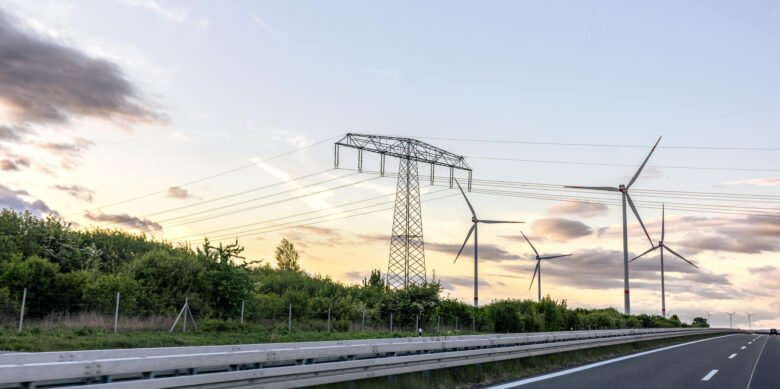
- Transmission lines are expanded to connect distant wind farms or solar plants to urban demand centers.
- Distribution networks are updated to accommodate decentralized injection points from residential or commercial photovoltaic systems.
- These upgrades support a more flexible and responsive power system capable of handling variability.
Intermittency and Flexible Resource Integration
Renewable energy intermittency arises from fluctuations in sunlight and wind speed. Unlike conventional power plants, renewable facilities cannot increase output on demand when natural conditions are unfavorable. As renewable penetration increases, maintaining a balance between generation and consumption becomes more complex.
Solutions to Manage Intermittency
- Flexible Generation Assets:
- Gas-fired power plants, hydroelectric facilities, and other dispatchable units adjust output quickly to compensate for renewable variability.
- While reliance on fossil-fuel backup may offset some emission reduction benefits, it provides short-term operational stability.
- Energy Storage Technologies:
- Battery systems store excess electricity during peak generation and release it when production drops.
- Pumped hydro storage, compressed air systems, and emerging storage technologies provide additional means to balance supply and demand across timescales.
- Demand-Side Management (DSM):
- Smart grid systems signal consumers or automated devices to shift energy use away from peak periods.
- Time-of-use pricing encourages behavioral changes, aligning demand with renewable availability.
- DSM distributes responsibility for grid stability across both supply and demand.
Grid Stability, Frequency Control, and Operational Resilience
Electric power systems operate within strict frequency and voltage limits to ensure reliable service. Sudden mismatches between supply and demand can cause frequency deviations, potentially leading to equipment damage or large-scale blackouts. Renewable energy variability introduces new challenges to frequency control strategies.
Maintaining Stability
- Conventional Support: Large synchronous generators provide rotational inertia that stabilizes frequency fluctuations.
- Renewable Integration: Modern inverter-connected renewables often lack inherent inertia. Advanced inverters now include synthetic inertia features to mimic stabilizing effects and enhance grid reliability.
Automated Control Systems
- Smart grids detect deviations within milliseconds and trigger corrective actions.
- Fast-response storage systems and flexible generation assets restore balance before instability escalates.
- Protective relays and automated switching isolate faults, preventing cascading failures across interconnected networks.
Resilience Considerations
- Extreme weather, cyber threats, and equipment failures can disrupt renewable generation and transmission simultaneously.
- Smart grid architectures incorporate redundancy, real-time diagnostics, and coordination among regional operators to maintain operational continuity.
Regulatory Frameworks and Market Design
The integration of renewable energy and smart grid technologies requires regulatory adaptation. Traditional market rules were optimized for predictable, centralized generation. As distributed and variable resources become dominant, market designs evolve to value flexibility, storage capacity, and demand response services.
Key Regulatory Instruments
- Capacity Markets and Ancillary Services:
- Compensate resources by providing frequency regulation and reserve capacity.
- Encourage investment in technologies that enhance grid stability.
- Interconnection Standards:
- Ensure renewable facilities and inverters support grid stability rather than compromise it.
- Promote interoperability and reduce systemic risks.
- Data Governance and Cybersecurity Regulations:
- Address potential vulnerabilities in digital infrastructure.
- Protect operational technology systems and consumer energy usage data.
- Public Policy Goals:
- Renewable portfolio standards, emission targets, and decarbonization roadmaps shape investment decisions.
- Policy ensures grid modernization supports environmental objectives while maintaining reliability and affordability.
Infrastructure Investment and Long-Term Grid Evolution
Transitioning to smart grids with renewable integration requires sustained capital investment. Key areas include:
- Transmission expansion to connect remote renewable plants.
- Substation modernization with advanced monitoring and control.
- Deployment of energy storage systems.
- Upgrading digital communication networks to support real-time grid management.
Planning and Forecasting
- Utilities use advanced forecasting tools to predict renewable generation patterns and load growth.
- Predictive analytics inform infrastructure decisions and optimize resource allocation.
- Coordination between national and regional operators facilitates cross-border energy trade and shared reserve capacity.
Urbanization and Electrification
- Electric vehicle charging infrastructure and heat pump adoption increase electricity demand.
- Smart grids provide the communication backbone necessary to manage these distributed resources efficiently.
Technological Advancements
- Improvements in battery chemistry, inverter efficiency, and data analytics enhance the feasibility of high renewable penetration scenarios.
- Standardized interconnection protocols and regulatory clarity maintain investor confidence and operational reliability.
Smart grids act as the foundation enabling renewable energy systems to coexist with stability requirements. The interaction between digital oversight, flexible assets, and regulatory governance determines the trajectory of power systems in a decarbonizing energy landscape. To keep the grid reliable while moving toward sustainability goals, continued development of renewable infrastructure needs coordinated investment and flexible operational planning.
Conclusion
The global energy transition toward renewables has reshaped power system design and operation. Smart grid technologies provide the necessary tools to manage variability, maintain stability, and optimize resource utilization. By combining digital monitoring, automated controls, flexible generation, and energy storage, modern grids can accommodate high renewable penetration while ensuring reliability and resilience.
Regulatory adaptation, market design, and infrastructure investment are critical to achieving a balanced and sustainable energy future. As technological advancements continue, smart grids will remain the backbone enabling renewable energy systems to thrive in a secure, reliable, and environmentally responsible manner.
FAQs
1. What is a smart grid, and how does it differ from a traditional grid?
A smart grid uses digital communication, sensors, and automated controls to monitor and manage electricity flows, unlike traditional grids that rely on one-way power transmission from centralized plants.
2. How do smart grids help integrate renewable energy?
Smart grids provide real-time monitoring, automated controls, and flexible resource coordination, allowing variable renewable generation like solar and wind to be effectively managed.
3. What technologies help address renewable energy intermittency?
Battery storage, pumped hydro, flexible generation units, and demand-side management help balance supply and demand when renewable output fluctuates.
4. Why is grid stability challenging with high renewable penetration?
Renewable sources like solar and wind lack inherent inertia, making frequency and voltage control more complex. Advanced inverters and automated controls help maintain stability.
5. How do regulations support smart grid and renewable integration?
Regulatory frameworks define interconnection standards, incentivize flexibility and storage, ensure cybersecurity, and align grid modernization with decarbonization and reliability goals.