Why Compatible Devices Still Have Software Problems
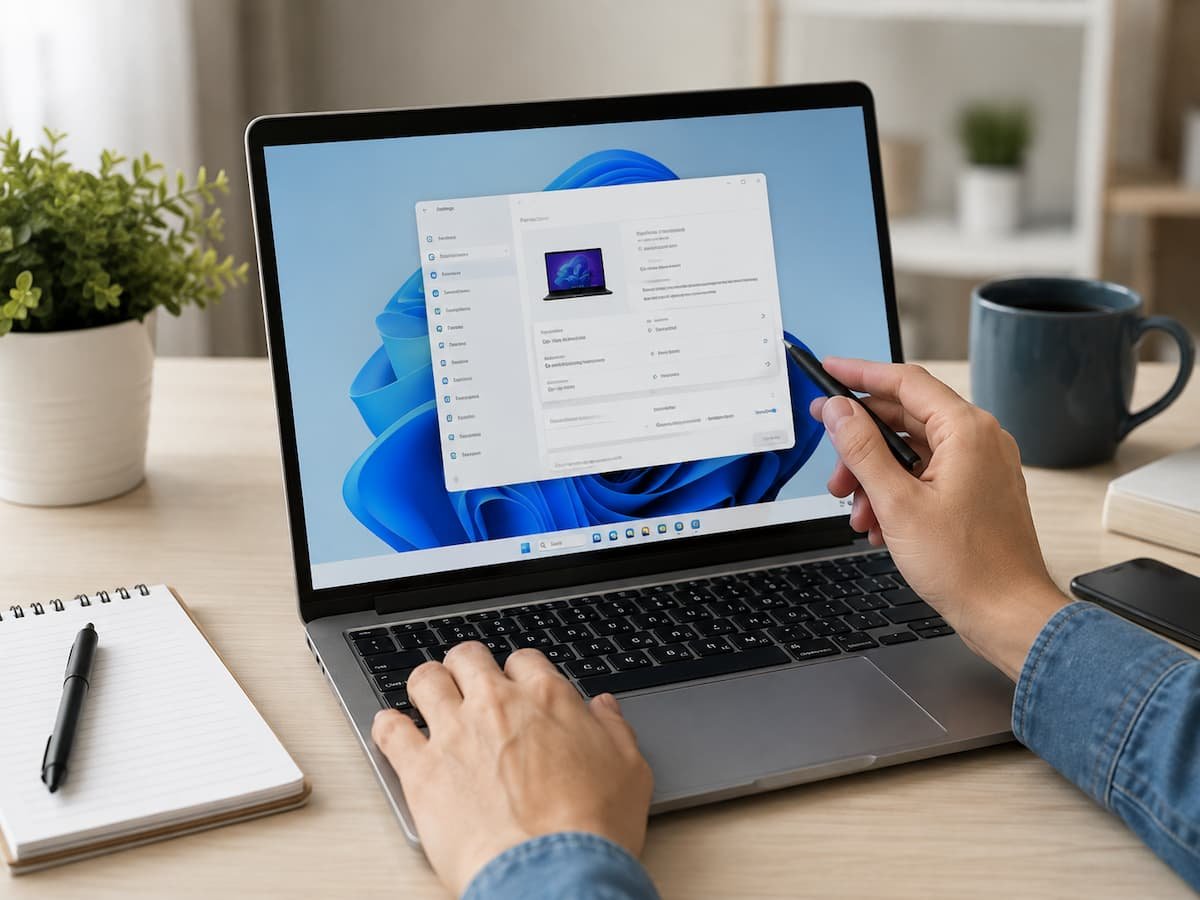
A compatibility check says yes, but the software still crashes. The installation completes successfully. Your device meets the published requirements. The operating system is supported. Yet the application freezes, a feature refuses to load, updates fail, or the program closes without warning. This situation creates a common misunderstanding: if a device is compatible, shouldn’t the … Read more
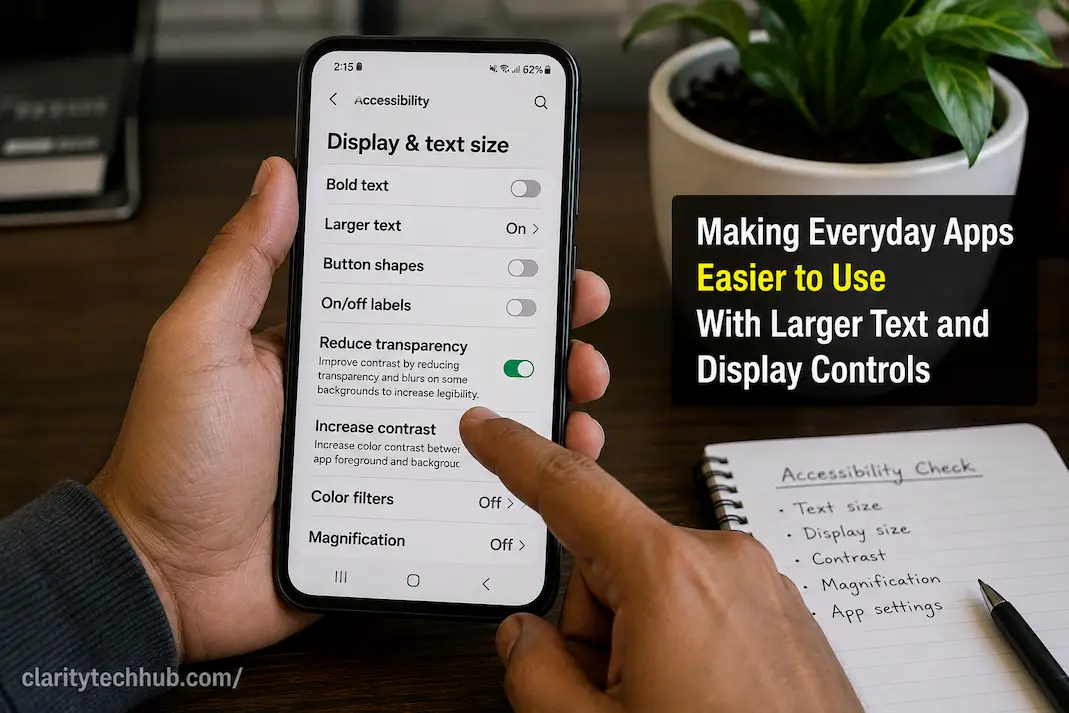

Making Everyday Apps Easier to Use With Larger Text and Display Controls

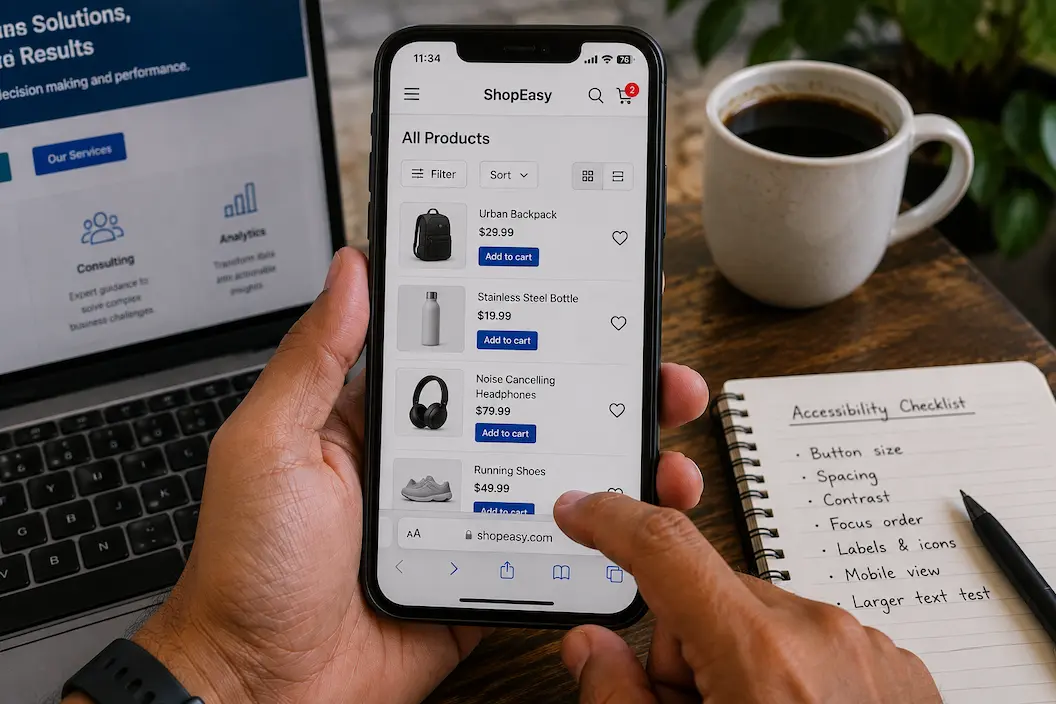
An app can be perfectly functional and still be uncomfortable to use when its text, buttons, menus, and other interface elements are too small. This becomes especially noticeable when reading messages, checking account details, browsing settings, or working through a form for several minutes at a time. Increasing the text size can help, but simply … Read more

Why Cleaning Your Digital Files Before a Move Saves So Much Time

Moving to a new phone or computer often begins with one obvious question: how can everything be transferred as quickly as possible? But the amount of time spent on a device migration is not determined only by the transfer method. It is also affected by what you choose to move. An old device can accumulate … Read more

Accessibility Problems Caused by Tiny Buttons and Crowded Interfaces

Small buttons and tightly packed controls can make an otherwise functional website, app, or device surprisingly difficult to use. A control may technically be visible and clickable, yet still be frustrating when it requires precise finger movement, careful mouse positioning, or repeated attempts. This becomes especially noticeable on phones and tablets, where there is less … Read more

What Your Connected Home Devices Can Learn About You

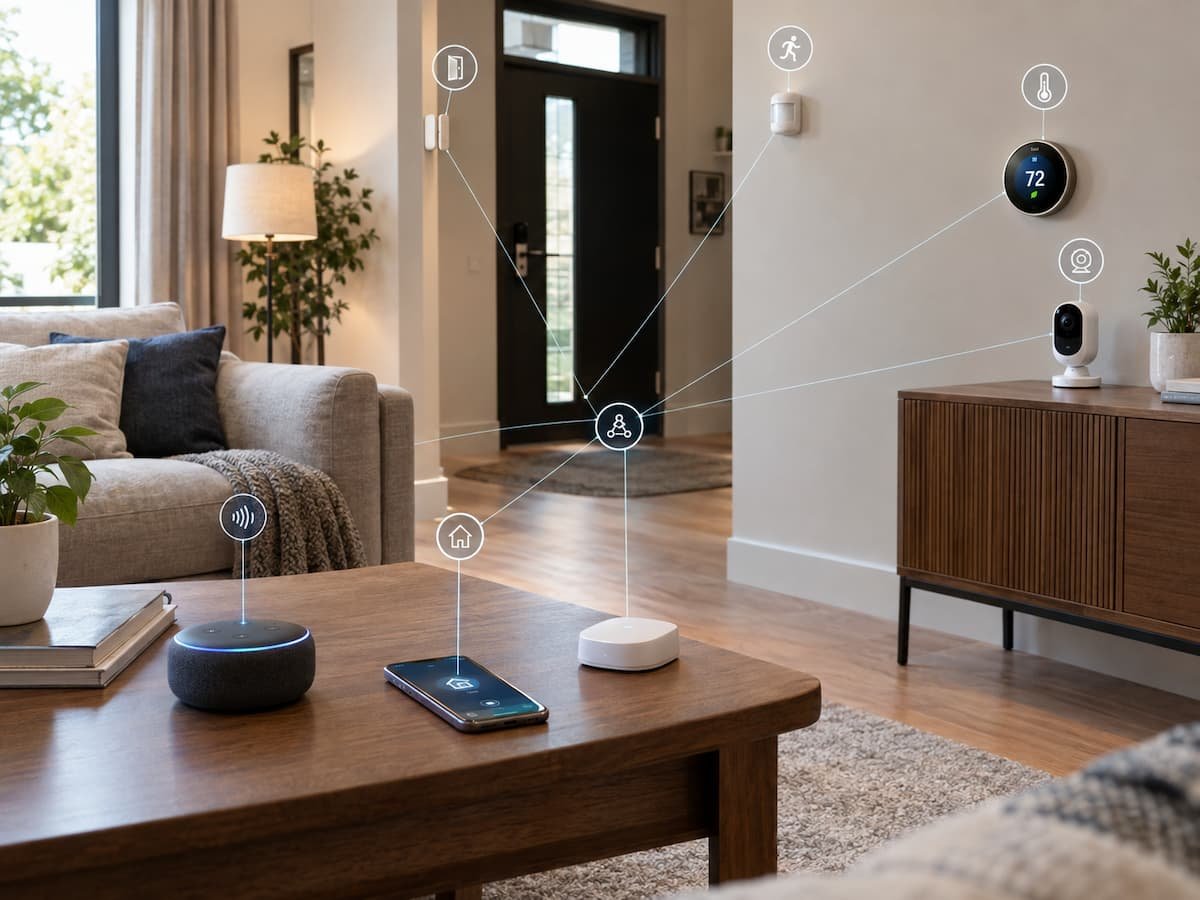
A connected home can generate a surprisingly detailed picture of daily life. A door sensor may record when someone leaves or returns. A thermostat can reveal patterns of occupancy. A smart plug may show when someone uses a particular appliance. A voice assistant can process requests, while a security camera can collect information about activity … Read more

How to Tell Whether a Performance Problem Is Temporary or Getting Worse

Occasional device slowdowns do not necessarily indicate a problem. Background updates, temporary storage activity, resource-intensive programs, overheating, or the execution of particularly demanding tasks can all cause a computer or phone to slow down temporarily before returning to normal operation. The more important question is what happens next. If the phone resumes normal responsiveness, the … Read more

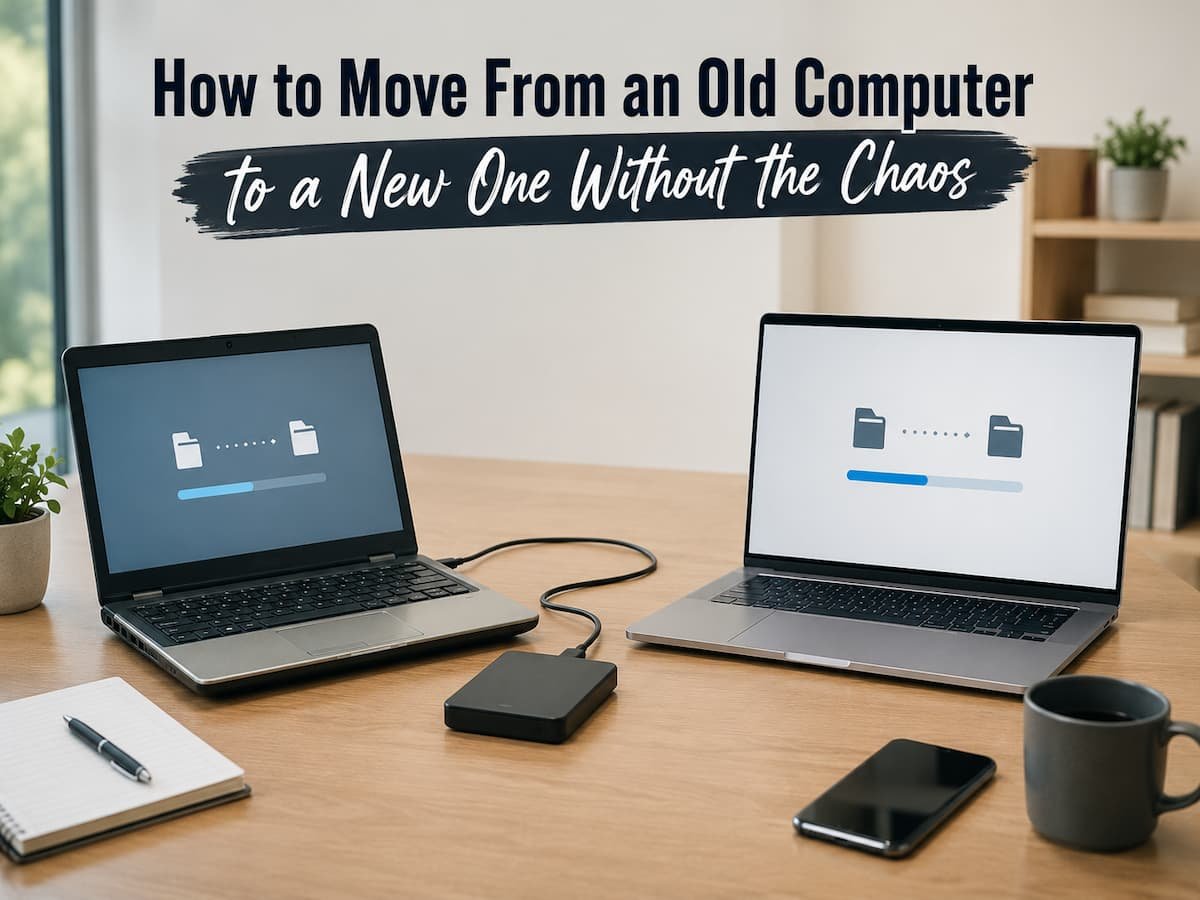
How to Move From an Old Computer to a New One Without the Chaos

Replacing an old computer should not require rebuilding years of digital work from memory. Yet that is exactly how the process can feel when files are scattered across folders, applications have been installed over several years, passwords are saved in different places, and nobody is entirely sure which information actually lives on the computer. The … Read more

Why Some Apps Work on One Device but Not Another

One thing rarely determines app compatibility. Developers have to account for the operating system, processor architecture, available memory, screen characteristics, hardware features, security requirements, and occasionally the region or type of device being used. Two phones can run the same operating system while using entirely different internal hardware. A tablet and phone may also share … Read more

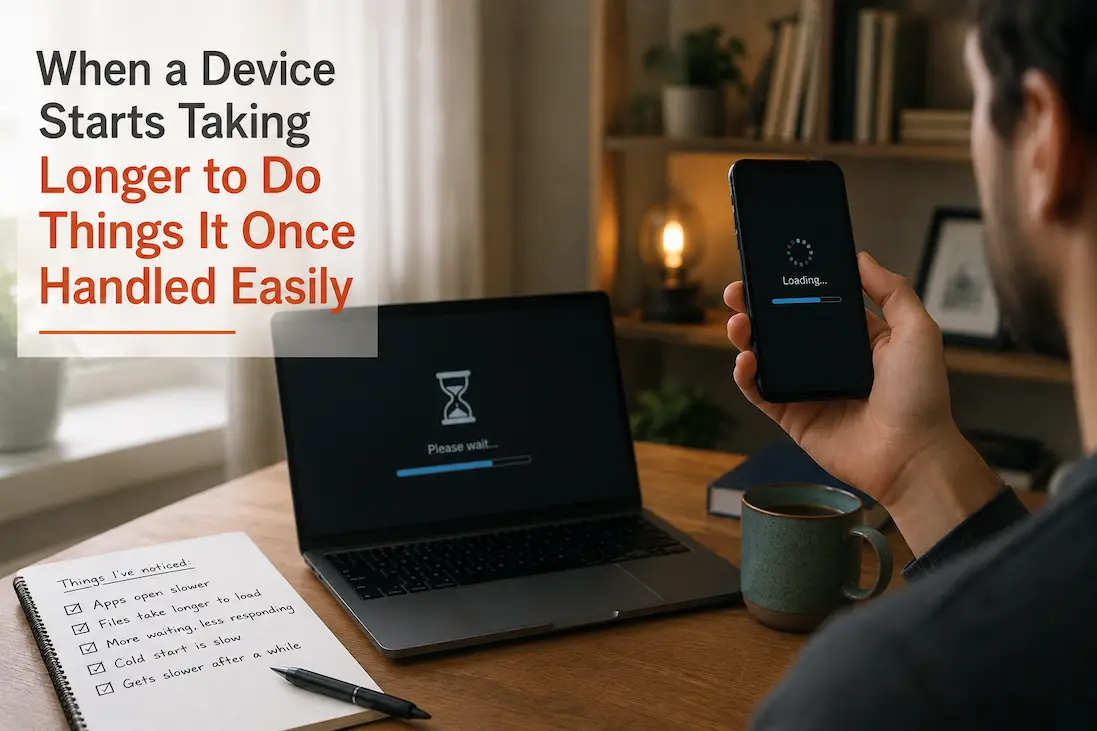
When a Device Starts Taking Longer to Do Things It Once Handled Easily

Unreliable or difficult-to-use devices do not necessarily crash, malfunction, or show obvious defects. A more subtle change is that familiar actions become slower. Applications that used to launch almost instantly now take a few seconds to open. Some files may load more slowly, settings panels might take a few seconds to respond, or actions that … Read more